
Great Dystopian Books: From Orwell’s 1984 to Station Eleven

Introduction
To read a dystopia is to witness a mirror held up to the darkest corners of the present. While a utopia attempts to construct a blueprint for a perfect or ideal world, a dystopia functions as its antithesis: a depiction of an extremely oppressive, frightening, and often broken society where human dignity and equal rights are systematically overlooked [2]. These narratives do not merely imagine bad futures; they leverage a society’s most acute anxieties—be they political, biological, or environmental—to construct settings that feel uncomfortably plausible [2].
The genre is far from monolithic. It shifts fluidly from the rigid, totalitarian surveillance of the mid-20th century to the high-stakes survivalism of contemporary speculative fiction. Some stories focus on the collapse of the state, while others examine the collapse of the biosphere or the erosion of individual consciousness. Whether through the lens of a Young Adult adventure or a dense, “hard” science fiction inquiry, dystopian literature asks a fundamental question: what remains of our humanity when the systems designed to protect us become the tools of our destruction?
The Foundations of Social Control
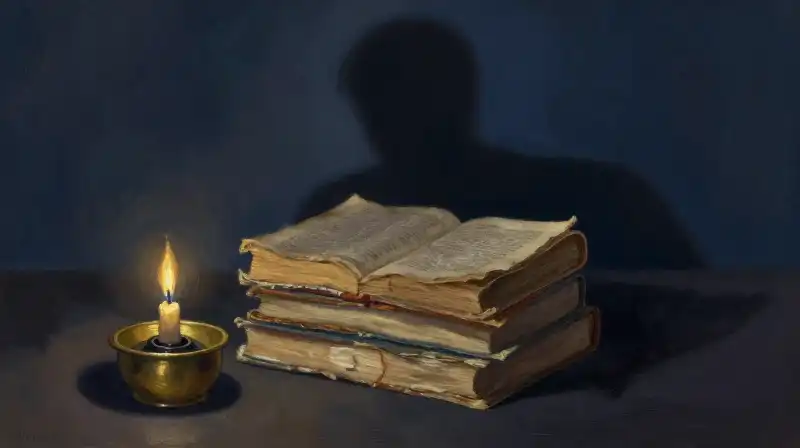
The genre’s gravity is often centered around works that defined the parameters of political oppression. These texts provide the vocabulary we use to discuss modern authoritarianism.
- George Orwell, 1984: Frequently cited as the foundational “must-read” of the genre [1], Orwell’s masterpiece explores the terrifying potential of total surveillance and the manipulation of language (Newspeak) to restrict thought. It remains the benchmark for stories concerning the erasure of truth and the crushing of the individual by a monolithic state.
- Yevgeny Zamyatin, We: An essential precursor to Orwell, Zamyatin’s work explores a mathematically perfect society where even the concept of the “I” is replaced by the “We,” providing a chilling look at the intersection of logic and totalitarianism [1].
- Ray Bradbury, Fahrenheit 451: Rather than focusing solely on government mandate, Bradbury examines the role of cultural apathy and the sensory overload of media in the destruction of critical thinking and literature [1].
- Lois Lowry, The Giver: A seminal work that approaches dystopian themes through a more controlled, seemingly “peaceful” lens, exploring the cost of a society that has traded deep emotion and memory for stability and Sameness [1].
Mapping the Dystopian Spectrum
Understanding the genre requires recognizing that “dystopia” is a broad umbrella. A reader looking for great dystopian books will find that the experience varies wildly depending on the sub-genre and the scale of the conflict.
| Sub-Genre | Primary Focus | Representative Examples |
|---|---|---|
| Totalitarian/Political | State control, surveillance, and the loss of individual agency. | 1984, We |
| Speculative/Environmental | Biological catastrophes, climate change, and resource scarcity. | Station Eleven, The Water Knife, How High We Go in the Dark [1] |
| Young Adult (YA) | Coming-of-age within broken systems, often blending adventure and social critique. | The Hunger Games, The Lunar Chronicles [1] |
| Hard Science Fiction | Philosophical and scientific inquiries into consciousness and first contact. | Blindsight [1] |
Modern Reinterpretations: From Viruses to Climate Change
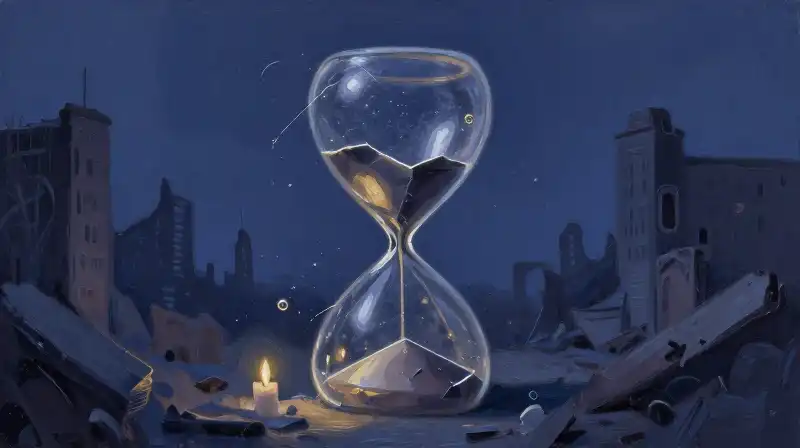
Contemporary dystopian fiction has largely moved away from the “Big Brother” archetype to explore more decentralized, systemic collapses. These works often deal with “utopias gone wrong,” where the breakdown of a previously stable social order—or the corruption of an attempt to fix a problem—becomes the central driver of the narrative [1].
The Biological and Environmental Collapse
Modern writers frequently use the genre to grapple with the fragility of our global systems. Emily St. John Mandel’s Station Eleven is a profound example, focusing on the aftermath of a global virus that dismantles existing societal structures, emphasizing the persistence of art and culture amidst ruin [1]. Similarly, Sequoia Namagatsu’s How High We Go in the Dark explores how society adjusts to a climate-change-induced plague, offering a more speculative, atmospheric look at biological catastrophe [1].
Survivalism and Resource Scarcity
For readers interested in the grit of survival, the genre offers intense, visceral explorations of life at the edge. Paolo Bacigalupi is a key figure here; his works, such as The Water Knife or Ship Breaker, scale the dystopian experience down to the desperate struggle for basic resources like water, grounding the high-concept politics in the immediate, physical reality of survival [1].
A Reader’s Guide: Where to Start?
Because the genre spans from teen-friendly adventures to complex scientific inquiries, finding the right entry point is essential. Here is a suggested progression for those looking to navigate these dark landscapes.
- The Gateway: Start with The Hunger Games or The Giver. These provide accessible entry points into the mechanics of social control and the rebellion of the individual within a controlled system.
- The Classic Pillar: Move to Orwell’s 1984. Understanding the foundational language of political dystopia will provide context for almost everything that follows.
- The Modern Humanist: Transition to Station Eleven. This will shift your perspective from the “mechanics of oppression” to the “persistence of humanity” after the systems have already failed.
- The Deep Dive: For those seeking intellectual rigor, explore Octavia Butler (such as Parable of the Sower) for profound social commentary, or Peter Watts (Blindsight) for a “mind-blowing” exploration of consciousness within the hard science fiction tradition [1].
Why Dystopia Matters
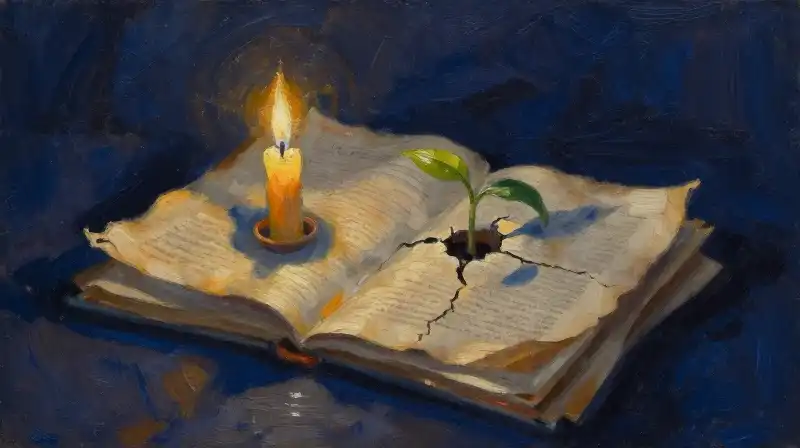
Dystopian literature is often mischaracterized as mere pessimism. In reality, the genre’s power lies in its capacity for warning and, paradoxically, for affirming what is most precious about the human experience. By pushing our fears to their logical—or illogical—extremes, these stories force us to examine the value of privacy, the necessity of truth, and the resilience of the human spirit when stripped of all societal scaffolding. Whether it is the survivalist struggle in a parched landscape or the quiet preservation of Shakespeare in a post-pandemic world, dystopia reminds us that even in the shadow of collapse, the impulse to create, to remember, and to resist remains inextinguishable.
Sources
- I need new dystopian books : r/booksuggestions — reddit.com
- LibGuides at San Antonio Public Library — guides.mysapl.org
Related Articles