The Best Historical Fiction Audiobooks: From Kate Quinn to Ken Follett

Introduction
There is a specific alchemy required for a historical fiction audiobook to succeed. Unlike a printed page, which allows a reader to pause and cross-reference a footnote or a map, the audio format relies on the listener’s ability to surrender to the rhythm of the narrator’s voice and the sweep of the prose. When done well, the experience transcends simple storytelling; it becomes an act of temporal displacement. The right narrative doesn’t just recount the past—it recreates the texture of it, from the clatter of Roman streets to the tension of a wartime intelligence cell.
For the listener, selecting the right title is often a matter of finding a balance between historical rigor and narrative momentum. Some seek the “swashbuckling” adventure of a meticulously researched epic, while others look for the intimate, character-driven resonance of feminine resilience in the face of systemic upheaval. Whether you are looking for a massive saga to carry you through a long road trip or a tight, psychologically complex portrait of a specific era, the breadth of the genre offers a path for every type of historical curiosity.
The Architecture of Scale: Epic Sagas and Immersive Worlds
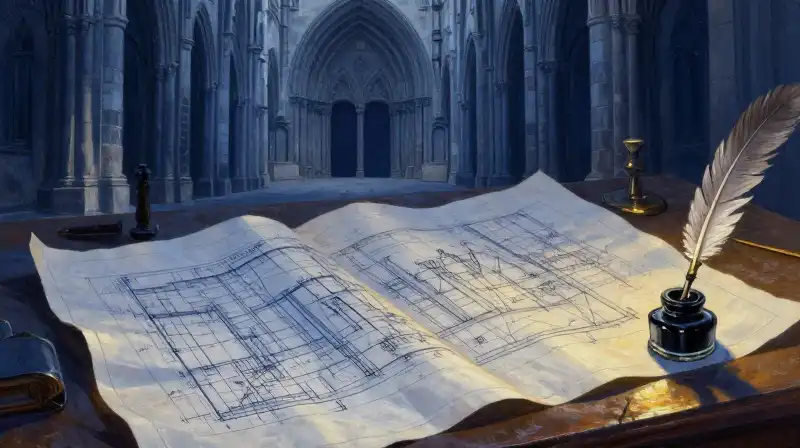
For many listeners, the appeal of historical fiction lies in its ability to build a world so complete that it feels lived-in. This requires authors who can manage vast timelines and hundreds of characters without losing the emotional thread of the story.
Ken Follett stands as a master of this large-scale construction. His work, most notably Pillars of the Earth and its subsequent sequels, is frequently cited as a benchmark for long-form storytelling [1]. In an audiobook format, these works can extend to over 40 hours, yet they remain captivating because they ground their grand architectural and political themes in the visceral, everyday struggles of their protagonists [1]. Similarly, the works of James Clavell, such as Shogun and Tai-Pan, and those of James Michener, including The Source and Alaska, offer a similar sense of historical weight, providing readers with a panoramic view of entire civilizations and eras [1].
If your preference leans toward adventure and high-stakes movement, the “swashbuckling” narratives of Dorothy Dunnett are highly regarded for their impeccable research and propulsive energy [1]. For those seeking a sense of place so potent it feels physical, the Mistress of Rome series is noted for its ability to make the listener feel as though they are standing in the heart of the ancient city [1].
The Intimate Lens: Character, Resilience, and Hidden Histories
While some historical fiction looks outward at the movement of empires, much of the most impactful literature looks inward, exploring how individual lives are shaped—and often broken—by the currents of history. This subgenre often focuses on reclaiming voices that were sidelined in the traditional historical record.
Kate Quinn has become a definitive voice in this space, particularly through her ability to weave engaging, high-stakes narratives around women navigating the complexities of war. Titles like The Rose Code, The Alice Network, and Diamond Eye are recommended for their ability to maintain narrative tension while exploring profound themes of agency and survival [1]. This focus on feminine resilience is a hallmark shared by Marie Benedict, whose works such as The Personal Librarian, Carnegie’s Maid, and The Only Woman in the Room provide deeply human windows into pivotal historical moments [1].
Other authors achieve this intimacy through emotional resonance and meticulous detail:
- Geraldine Brooks: Known for deeply researched and emotionally resonant prose, Brooks excels at finding the heartbeat within history. Year of Wonders and her more recent Horse are particularly noted for their impact in audio form [1].
- Kristin Hannah: A heavyweight in the genre, Hannah’s storytelling—seen in The Nightingale, The Great Alone, and The Women—is widely recognized for its ability to deliver impactful, sweeping emotional journeys [1].
- Martha Hall Kelly: Listeners often gravitate toward her “sucking in” narratives, such as The Lilac Girls and The Golden Doves, which pull the listener into the claustrophobic and intense realities of her settings [1].
Navigating Genre Variations
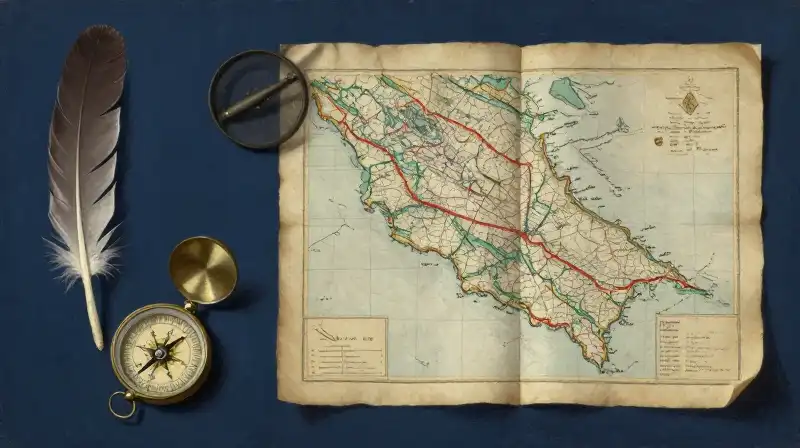
Historical fiction is not a monolith. Depending on your mood or the “what if” questions you enjoy exploring, you may find yourself oscillating between different stylistic approaches. The following table illustrates how these various modes function within the genre.
| Narrative Mode | Primary Focus | Representative Authors/Works |
|---|---|---|
| Epic Saga | Large-scale movements, political shifts, and long timelines. | Ken Follett, James Michener, James Clavell |
| Intimate Historical | Personal resilience, domestic life, and individual agency. | Kate Quinn, Marie Benedict, Kristin Hannah |
| Alternate History | Exploring “what if” scenarios where history took a different path. | Philip K. Dick (The Man in the High Castle) |
| Atmospheric/Place-Driven | Evoking a strong, almost physical sense of a specific location. | Dorothy Dunnett, Mistress of Rome series |
Specialized Perspectives: Interconnection and Alterity
Beyond the standard epic or intimate portrait, some authors use history to explore complex structures of connection or to challenge our understanding of reality itself.
For those interested in how different times and places intersect, Fiona Davis offers interconnected stories like The Spectacular and The Address, which allow the listener to trace themes across different historical layers [1]. Similarly, Edward Rutherford’s Russka and London offer a blend of settings that expand the scope of the historical journey [1].
Then there is the outlier: the “what if” scenario. Philip K. Dick’s The Man in the High Castle serves as a primary recommendation for those interested in alternate historical fiction, using the genre to explore how small shifts in reality can fundamentally alter the course of human existence [1]. For a more contemplative, high-quality entry into the genre that avoids the tropes of grand warfare, Amor Towles’s A Gentleman in Moscow provides a masterclass in character-driven historical atmosphere [1].
Why the Genre Endures
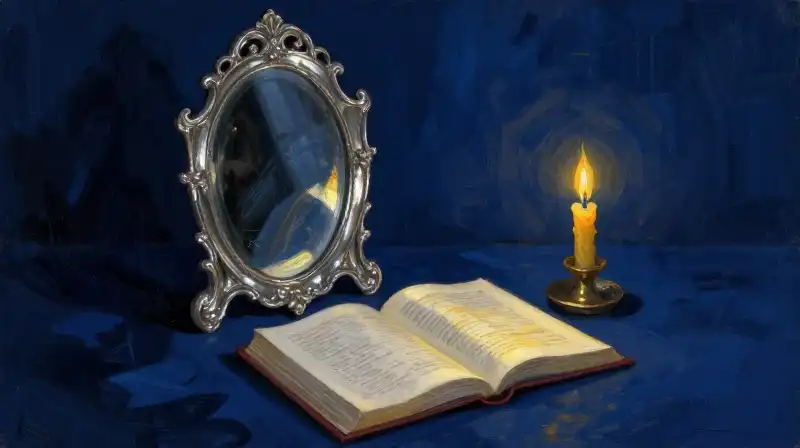
The enduring appeal of historical fiction—and its particular success in the audiobook medium—lies in its ability to act as both a mirror and a window. It is a mirror that reflects our current preoccupations regarding identity, resilience, and justice through the lens of the past, and a window that allows us to peer into lives and landscapes that are fundamentally alien to our own.
Whether you are navigating a long commute with the expansive world-building of Ken Follett or finding emotional grounding in the stories of Kate Quinn, these works do more than just entertain. They demand that we acknowledge the complexity of the human experience across time. By listening to these narratives, we don’t just learn about history; we learn how to inhabit it.
Sources
- Looking for new historical fiction audio books. : r/audiobooks — reddit.com
Related Articles