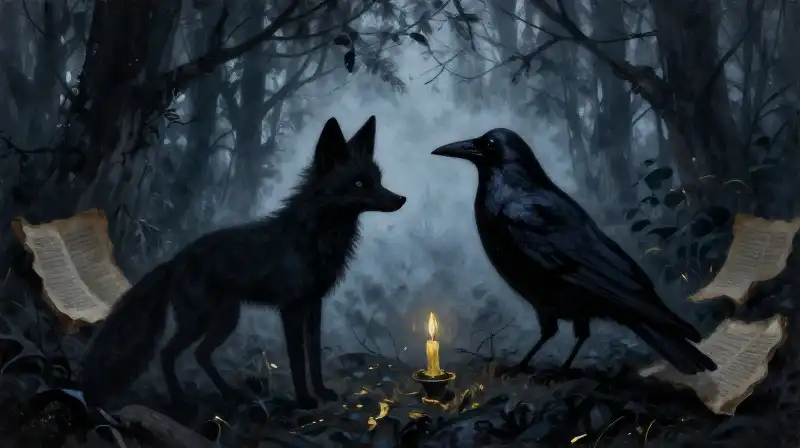
Why are animals commonly used as characters in fables from Literatura

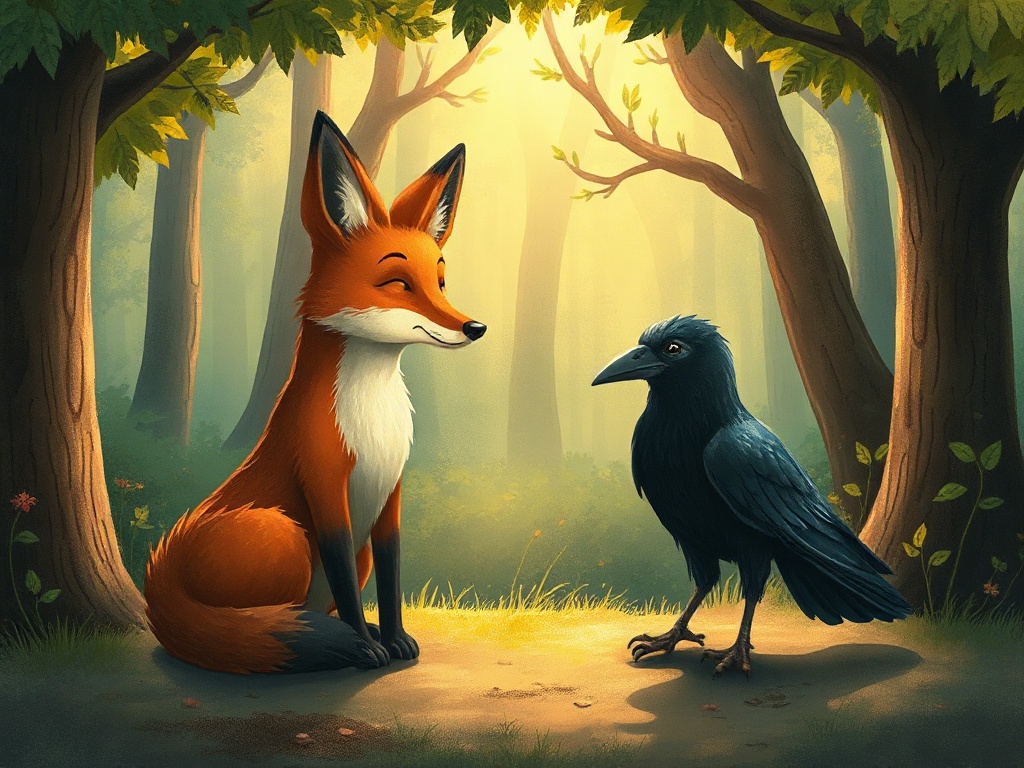
Fables, a cornerstone of literature across cultures and throughout history, are short stories conveying a moral lesson or principle. Their enduring popularity stems from their accessibility and the way they resonate with audiences of all ages. A consistent and striking feature of these narratives is the frequent use of animals as central characters, often personified to exhibit human-like qualities and engage in relatable situations. This practice isn’t accidental; it’s deeply rooted in ancient storytelling traditions and provides a powerful vehicle for exploring complex human behaviors.
The pervasive presence of animals in fables raises a fascinating question: why this consistent choice? It’s tempting to attribute it to simple children’s entertainment, but the use of animal characters in literary fables extends far beyond that. Examining the historical context, the symbolic power of animals, and the pedagogical aims of fables reveals a nuanced understanding of this literary device and its continued relevance in modern interpretations of classic works. The animal kingdom provides a rich tapestry of traits and behaviors upon which moral narratives can be woven.
## The Ancient Roots of Animal Fables
The tradition of using animals in fables stretches back millennia, with notable examples emerging from ancient Greece and India. Aesop, a legendary Greek storyteller (though his existence is debated), is arguably the most famous proponent of animal fables, with tales like “The Tortoise and the Hare” and “The Lion and the Mouse” becoming ingrained in Western culture. In India, the Panchatantra, a collection of stories dating back to the 3rd century BCE, similarly features animal characters imparting wisdom and demonstrating ethical principles. These early fables laid the foundation for the widespread adoption of animal personification as a standard narrative technique.
These early examples highlight a practical reason for utilizing animals: familiarity. Audiences of the time were deeply connected to the natural world, reliant on agriculture and animal husbandry. Representing moral dilemmas through animals with whom they were intimately acquainted made the lessons more immediately accessible and impactful. Furthermore, the ease with which stories could be memorized and transmitted orally was enhanced by using memorable animal archetypes – the sly fox, the strong lion, the wise owl – creating a potent mnemonic device.
The transmission of these tales across continents and through different cultures speaks to their inherent power. While variations and adaptations exist, the core concept of animals embodying human virtues and vices persists. This continuity emphasizes the universality of the moral lessons embedded within these fables and highlights the longevity of this literary form.
## Animal Symbolism and Archetypes
Beyond mere familiarity, animals carry a rich tapestry of symbolic meanings that writers skillfully exploit in fables. The lion, for example, consistently embodies courage, strength, and leadership. The fox represents cunning, trickery, and cleverness, while the owl is often associated with wisdom and knowledge. This pre-existing symbolic weight allows authors to convey complex ideas concisely and powerfully, leveraging the audience’s existing understanding of these animals.
Writers use these archetypes to create shortcuts in character development. Rather than painstakingly detailing a character’s personality, a writer can simply state “the fox,” and the reader instantly recognizes the associated traits. This brevity is crucial in the short, pointed format of a fable. The intentional deployment of animal symbolism enhances the moral message by adding layers of meaning and inviting deeper reflection on the themes being explored.
Furthermore, the inherent animalistic characteristics – their natural instincts, behaviors, and relationships within their ecosystems – can be subtly interwoven into the narrative to highlight aspects of human nature. A fable about a flock of birds arguing over food, for example, can serve as an allegory for human competition and the pursuit of resources.
## The Power of Personification
The act of personification – attributing human characteristics to animals – is central to the effectiveness of animal fables. It allows writers to explore human flaws and virtues in a safe and engaging manner, distanced enough from direct human experience to avoid defensiveness. The ability to observe human behavior through the lens of animal action provides a unique perspective, fostering critical thinking.
Personification also lends itself to satire and social commentary. By depicting animals engaging in human-like activities, fables can subtly critique societal norms, political structures, or individual behaviors. This indirect approach can be more impactful than direct criticism, as it allows readers to draw their own conclusions and engage more actively with the moral of the story. The often humorous nature of observing animals attempting to mimic human actions can soften the criticism and make it more palatable.
The distance created by personification can be particularly valuable when dealing with sensitive or controversial topics. Presenting a moral lesson through a fable featuring talking animals can make the message more accessible and less threatening, promoting acceptance and facilitating dialogue.
## Pedagogy and Moral Instruction
Historically, fables have served as powerful tools for moral education, particularly for children. The simplicity of the narratives, coupled with the relatability of animal characters, made them an effective way to impart values such as honesty, kindness, perseverance, and humility. The clear moral at the end of each fable reinforces the intended lesson, ensuring that the audience understands the message. This directness makes them a valuable aid in character development.
Beyond childhood education, fables have been used to instruct and guide individuals of all ages. They offer a framework for understanding complex ethical dilemmas and exploring the consequences of different choices. The enduring popularity of fables suggests a universal need for moral guidance and a continued recognition of their effectiveness in conveying such wisdom.
The structured nature of the fable – a simple narrative followed by a clear moral – provides a model for ethical reasoning. By analyzing the actions and consequences depicted in the fable, readers can develop their own moral compass and apply the lessons learned to their own lives, solidifying the fable’s role as a tool for lifelong learning.
## Conclusion
The prevalence of animals in fables from Literatura isn’t simply a stylistic quirk; it’s a fundamental element contributing to their enduring appeal and effectiveness. From ancient roots and deeply ingrained symbolism to the power of personification and their role in moral instruction, animals serve as perfect vessels for conveying profound truths about the human condition. Their familiarity, symbolic weight, and capacity for personification make them ideal characters for exploring complex issues in a concise and accessible format.
The continued relevance of animal fables in contemporary literature and education underscores their timeless power. While the world has changed dramatically since Aesop first spun his tales, the fundamental human struggles and moral dilemmas they address remain as relevant as ever. The ongoing adaptation of classic fables and the creation of new ones demonstrates a persistent need for stories that offer guidance, spark reflection, and remind us of the enduring importance of ethical behavior.
Related Articles