How do fables from Literatura influence modern storytelling


Fables, those short narratives traditionally featuring animals or inanimate objects imbued with human characteristics, have existed for millennia. From Aesop’s tales in ancient Greece to Panchatantra stories in India, and the works of La Fontaine in France, these concise narratives serve as powerful vehicles for conveying morals and life lessons. They’re often dismissed as simplistic children’s stories, yet a closer examination reveals a profound and enduring impact on the development of storytelling across cultures and throughout history.
The enduring appeal of fables lies in their ability to distill complex human truths into easily digestible forms. They operate on a symbolic level, allowing audiences to interpret the narratives within their own contexts and draw personal meaning. This form has not only shaped children’s literature but has also profoundly influenced broader literary genres, impacting everything from dramatic narratives to modern film and television, demonstrating the lasting legacy of these timeless tales.
## Archetypal Characters and Symbolic Representation
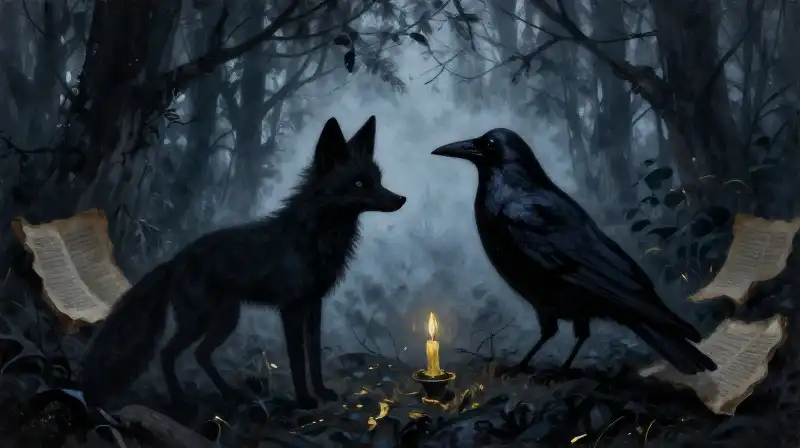
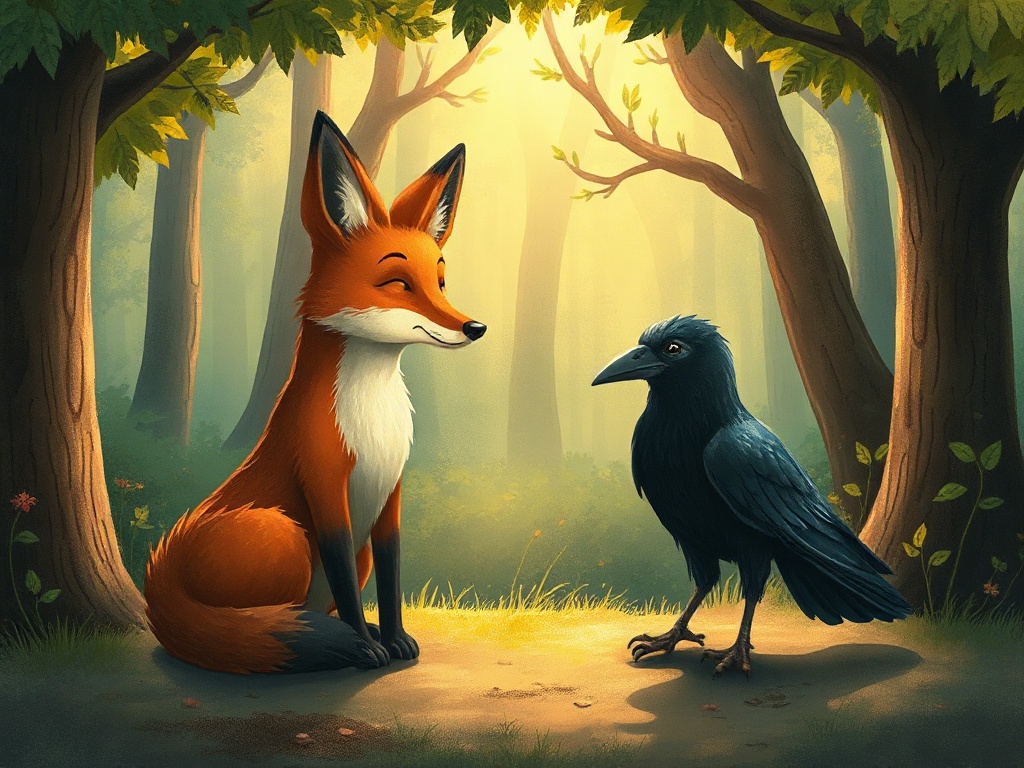
Fables frequently employ archetypes – recurring characters representing universal patterns of human behavior. The cunning fox, the foolish hare, the industrious ant, and the lazy grasshopper are just a few examples that transcend cultural boundaries. These characters aren’t unique individuals; they embody broader concepts like cleverness, naivete, diligence, and procrastination. Recognizing these archetypes instantly triggers familiarity and allows audiences to quickly grasp the underlying message.
This reliance on symbolic representation extends beyond character. Locations, objects, and even weather patterns are often laden with deeper meaning. A dark forest might symbolize danger and the unknown, while a flowing river could represent the passage of time. This focus on symbolism allows fables to communicate complex ideas without requiring extensive exposition, streamlining the narrative and lending it a powerful, visual impact.
Modern storytelling consistently utilizes these techniques. From superhero narratives employing the ‘wise mentor’ archetype to psychological thrillers featuring characters representing greed or ambition, the echoes of fables are readily apparent. This familiarity grounds these stories in a deeply ingrained human understanding, connecting with audiences on a primal level, contributing to their resonance.
## The Power of Concise Narrative and Structure
Fables are renowned for their brevity and focused narrative structure. Typically, they present a simple scenario, a conflict, and a resolution that directly leads to a moral or lesson. This economy of storytelling is a key factor in their enduring effectiveness; every element contributes to the overall message, eliminating unnecessary details. The lack of complicated subplots or extensive character development forces the story to be intensely focused.
The traditional fable structure, often involving a problem-solution-moral formula, provides a clear and satisfying arc. The resolution, and particularly the moral, is often explicitly stated, leaving little room for ambiguity. This directness ensures the audience understands the intended takeaway, solidifying the fable’s educational function. The inherent simplicity allows for easy memorization and transmission across generations.
This concise narrative style has heavily influenced modern storytelling, particularly in genres like short stories and television dramas. The current trend of “tight plotting” and streamlined narratives owes a debt to the fable’s efficient structure. Even longer works often incorporate fable-like segments or utilize the concise delivery of a key moment to heighten the story’s impact, demonstrating the benefit of structured storytelling.
## Exploring Universal Themes and Human Nature
At their core, fables delve into enduring themes related to human nature: ambition, greed, loyalty, justice, and the consequences of our choices. These themes are presented in a way that transcends specific cultural contexts, tapping into universal experiences and anxieties. The use of anthropomorphic animals allows fables to explore these complex issues in a safe and relatable manner, avoiding direct accusations or judgments of human behavior.
The ability to examine these themes through allegory – using symbolic characters and events to represent abstract ideas – is a crucial strength of the fable format. This indirect approach allows for a critique of societal flaws or human failings without necessarily triggering defensiveness or resistance. A story about a vain peacock might be a commentary on the dangers of superficiality without explicitly condemning the reader’s own vanity, facilitating deeper reflection.
Modern writers frequently draw upon these universal themes to explore contemporary issues. Authors tackling topics like climate change, social inequality, or political corruption often utilize allegorical storytelling techniques reminiscent of fables, providing a layer of subtlety and allowing audiences to engage with difficult subjects in a more nuanced and thought-provoking manner.
## Moral Lessons and the Transmission of Values
The primary purpose of a fable is to impart a moral lesson, a guide to ethical behavior, or a warning against specific pitfalls. These lessons are usually straightforward and readily applicable to everyday life. The moral is not merely tacked on at the end; it’s woven into the fabric of the narrative, illustrated through the actions and consequences experienced by the characters, reinforcing the value of virtue.
Historically, fables played a vital role in shaping cultural values and educating children. They provided a simple and engaging way to teach important lessons about honesty, perseverance, kindness, and the importance of community. This educational function contributed to the widespread dissemination of fables across diverse cultures, solidifying their place in the collective human consciousness, establishing a bedrock of shared understanding.
Even in today’s complex world, the emphasis on moral lessons remains a significant influence on storytelling. Many contemporary works, particularly those aimed at younger audiences, incorporate clear moral themes, promoting empathy, responsibility, and ethical decision-making. While the presentation may be more sophisticated, the underlying objective – to impart valuable lessons and shape behavior – echoes the fundamental purpose of the fable.
## Conclusion
The influence of fables from Literatura on modern storytelling is undeniable. From the archetypal characters and concise narratives to the exploration of universal themes and the emphasis on moral lessons, these ancient narratives continue to shape the way we tell and consume stories. Their enduring popularity speaks to their ability to resonate with audiences across generations and cultures.
Ultimately, the legacy of fables lies not just in their individual stories but in the storytelling techniques they pioneered. By understanding the power of symbolism, brevity, and thematic depth, modern storytellers can continue to draw inspiration from these timeless tales, crafting narratives that are both entertaining and profoundly meaningful.
Related Articles