
Maus Analysis: Animal Symbolism and the Power of Collage

Introduction
To look at Art Spiegelman’s Maus is to encounter a profound visual contradiction. On the surface, the panels depict a world of anthropomorphic creatures: mice, cats, and pigs moving through the harrowing landscapes of the Holocaust. Yet, beneath this fable-like veneer lies a devastatingly literal account of genocide, trauma, and the fractured relationship between a son and his survivor father. The tension of the work does not just exist in the plot, but in the very medium of the graphic novel itself—the way Spiegelman uses line, symbol, and an unexpected rupture of reality to bridge the gap between a drawing and a historical truth.
The Language of the Bestial: Animal Symbolism and Narrative Distance
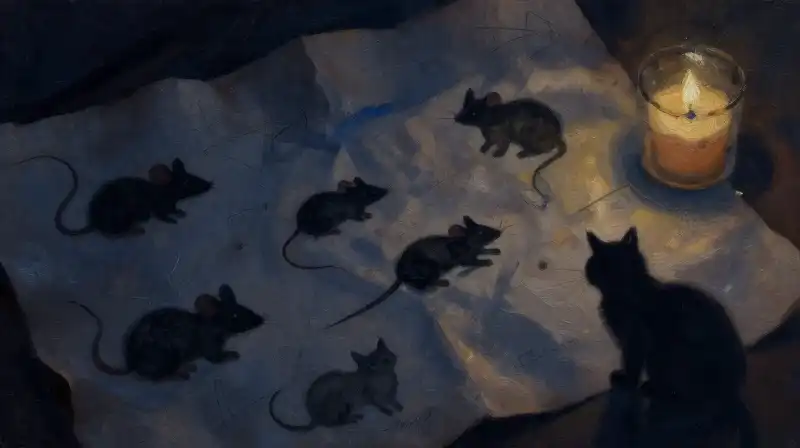
The most immediate and striking feature of Maus is its use of anthropomorphism. Spiegelman does not merely use animals as a stylistic quirk; he employs them as a sophisticated symbolic language to categorize the inhabitants of the Holocaust era [1].
- Jews as Mice: By depicting Jews as mice, Spiegelman evokes the image of a hunted, vermin-like species, mirroring the dehumanizing rhetoric used by the Nazi regime to strip Jewish people of their humanity [1].
- Nazis as Cats: The predatory nature of the persecutors is literalized through the cat, establishing a primal “cat and mouse” dynamic that underscores the inescapable threat of the hunters [1].
- Poles as Pigs: The use of pigs to represent Polish characters adds a layer of complex, often uncomfortable social commentary within the narrative framework [1].
This choice serves a dual purpose. First, it provides a layer of protective distance, allowing the reader to engage with unimaginable horrors that might otherwise be too overwhelming to process through traditional realism. Second, it acts as a critique of the very racial hierarchies the Nazis attempted to impose. However, this distance creates a risk: the reader might begin to view the tragedy as a mere fable. Spiegelman is acutely aware of this potential disconnect, a psychological pressure he acknowledges in the text when he depicts himself as a mouse discussing his inability to truly visualize or imagine the reality of Auschwitz [1].
Breaking the Frame: The Impact of the “Real” Photograph
If the animal symbolism risks turning the Holocaust into a myth, Spiegelman utilizes a technique akin to “collagism”—a practice famously used by surrealist Max Ernst—to pull the reader back into the world of the living [1]. This occurs most poignantly at the conclusion of the second volume, And Here My Troubles Began.
At this critical juncture, the rhythmic flow of the comic panels is interrupted by a “real” photograph of Vladek Spiegelman. Unlike the rest of the book, which is composed of hand-drawn illustrations, this is a legitimate historical image of Vladek in a clean camp uniform, taken after his liberation from Auschwitz [1]. The visual treatment of this photograph is highly intentional and non-traditional:
- The “Tipped Out” Effect: Rather than sitting flush within the standard rectangular borders of the comic panels, the photograph is slanted and “tipped out,” appearing to sit atop the page rather than within it [1].
- The Three-Dimensional Illusion: Spiegelman draws over the photograph, a technique that creates a three-dimensional effect, making the image feel like a physical object placed into the reader’s hands [1].
- The Visual “Stop Sign”: This jarring shift in medium acts as a “stop sign” for the reader [1]. It interrupts the immersive, symbolic narrative of the mice to force a sudden, blunt confrontation with the reality of the human beings behind the drawings [1].
From Fable to Testimony: Establishing Ethos
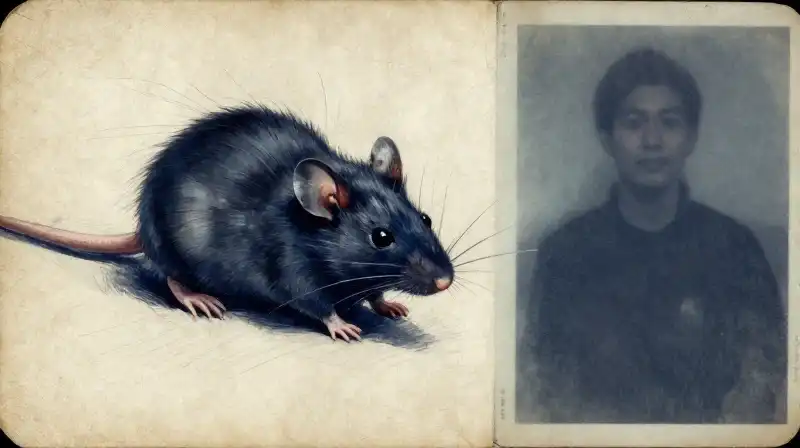
The inclusion of the photograph is not merely an aesthetic choice; it is a vital tool for establishing ethos, or credibility. By juxtaposing the drawn, anthropomorphic version of Vladek with his actual human face, Spiegelman provides a “real face” to a legendary historical figure [1]. This maneuver serves to anchor the entire work in lived human experience. It tells the reader that while the mice are symbols, the suffering they represent is documented, photographic, and undeniably real [1]. It transforms the text from a graphic fable into a profound piece of life writing and testimony.
Why It Matters: The Craft of Remembering
Maus remains a cornerstone of the graphic novel genre because it refuses to settle into a single mode of representation. It exists in the tension between the symbolic and the literal, the drawn and the photographed, the fable and the memoir. Through the masterful use of animal symbolism and the disruptive power of collage, Spiegelman does more than recount history; he demonstrates the difficulty of representing it. He shows that the act of remembering is not a seamless process of looking back, but a jagged, difficult confrontation with the traces of what remains.
Sources
- A Visual Analysis of Maus: The Impact of the “Real” Vladek Spiegelman — medium.com
Related Articles