How did the Spanish Civil War influence Pablo Neruda's poetry

Pablo Neruda, the Nobel laureate Chilean poet, remains one of the most significant literary figures of the 20th century. While his body of work spans decades and encompasses diverse themes, the Spanish Civil War (1936-1939) profoundly shaped his artistic and political trajectory, acting as a catalyst for a dramatic shift in his poetic style and subject matter. Prior to the war, Neruda’s poetry often explored themes of love, nature, and existential reflection, characterized by a melancholic beauty and introspective tone.
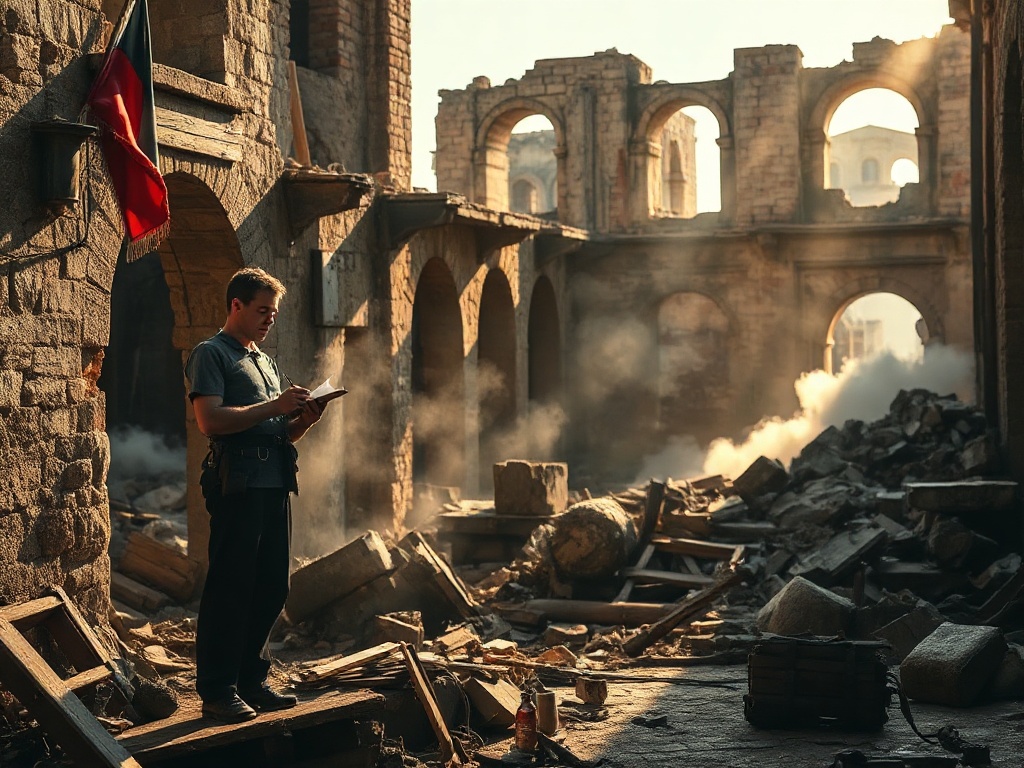
The brutal conflict in Spain, pitting the Republican government against the Nationalist forces led by General Franco, irrevocably altered Neruda’s perspective. He actively supported the Republican cause, traveling to Spain to offer solidarity and documenting the horrors he witnessed. This involvement wasn’t merely political; it became deeply intertwined with his poetic expression, transforming him into a passionate voice for social justice and a chronicler of human suffering. The war ripped away the veil of personal introspection and thrust him into a world of political urgency and collective experience.
## The Shift from Romanticism to Political Engagement
Neruda’s pre-war poetry, particularly evident in collections like Twenty Love Poems and a Song of Despair, was heavily steeped in Romantic sensibility, prioritizing individual emotion and lyrical beauty. His exploration of love was often melancholic, tinged with a sense of longing and inevitable loss. The focus resided largely on the internal landscape of the poet, with nature serving as a mirror to his emotional state. This period represented a quieter, more contemplative phase in his creative development.
The Spanish Civil War shattered this Romantic idealism. The sheer scale of violence and the suffering of the Spanish people demanded a different kind of poetry - one that actively engaged with the world and addressed the urgent need for social change. Witnessing the destruction of cities and the persecution of political opponents spurred a rejection of purely subjective, personal expression and moved him toward a more overtly political poetry. This was a deliberate choice, a conscious shift in allegiance.
This transition isn’t abrupt; rather, it’s a gradual evolution. Elements of his earlier style linger even in his war-inspired works, but they are increasingly subordinated to the urgency of the moment and the need to convey the collective experience. The move represents a fundamental reframing of his poetic purpose, moving from a focus on individual feelings to a commitment to articulating the pain and struggles of a nation.
## España en el Corazón (Spain in My Heart): A Testament of Solidarity
Neruda’s España en el Corazón, published in 1937, stands as the quintessential expression of his wartime commitment to the Spanish Republic. It is a monumental epic poem, structured around a journey across Republican-held Spain, documenting the devastation and the resilience of the people. The work eschews traditional poetic forms in favor of a more accessible and direct style, aimed at mobilizing public opinion and garnering support for the Republican cause.
The poem is characterized by its powerful imagery, depicting bombed cities, refugee camps, and the unwavering spirit of the Spanish people. Rather than focusing on individual heroes, España en el Corazón celebrates the collective struggle and the shared experience of those fighting against fascism. This elevation of the collective over the individual is a central tenet of Neruda’s newly adopted political stance.
España en el Corazón moved away from the carefully crafted metaphors and delicate language of his earlier works. Instead, it embraced a raw, almost journalistic style, prioritizing clarity and immediacy. The impact of the poem was immediate and widespread, solidifying Neruda’s role as a prominent voice for the Republican cause and establishing his reputation as a poet of social conscience.
## The Development of Surrealist and Documentary Elements
While España en el Corazón retains some traditional poetic elements, the influence of Surrealism becomes increasingly evident in Neruda’s wartime poetry, particularly in works beyond the epic poem itself. The chaotic nature of the war and the overwhelming emotional toll it took are reflected in the use of jarring imagery and fragmented narratives, a key aspect of surrealist poetic techniques.
This adoption of Surrealism wasn’t merely an aesthetic choice; it was a means of conveying the absurdity and the illogical nature of war. The dreamlike sequences and bizarre juxtapositions served to expose the underlying horrors of the conflict and to challenge conventional modes of representation. This use of surrealist imagery also served to express the emotional anguish and psychological trauma of the war in a way that conventional realism could not.
Alongside the surrealist elements, Neruda’s poetry also incorporates documentary-like passages, directly quoting eyewitness accounts and reporting on specific events. This blending of poetic and journalistic styles creates a unique and powerful hybrid form, demonstrating the poet’s desire to both evoke emotion and to present a factual account of the war’s devastating impact.
## A Lasting Legacy: Political Commitment and Poetic Innovation
The Spanish Civil War irrevocably shaped Neruda’s poetic legacy. It transformed him from a celebrated lyric poet into a committed political voice, inspiring generations of poets and activists to use their art as a tool for social change. His wartime poetry broke new ground, blending surrealist techniques, documentary elements, and a raw, accessible language to create a powerful and enduring testament to the suffering and resilience of the human spirit.
The war also broadened the scope of Neruda’s poetic concerns. While he continued to write about love and nature, his work became increasingly focused on the plight of the marginalized and the oppressed, reflecting his newfound commitment to humanity. This broadened scope helped him connect with a global audience and solidified his place as one of the most important poets of the 20th century.
## Conclusion
The Spanish Civil War served as a profound turning point in Pablo Neruda’s career, forcing him to confront the harsh realities of political violence and inspiring him to use his poetry as a weapon against oppression. It dismantled his earlier, more introspective focus, thrusting him into the realm of social and political activism, ultimately reshaping his poetic style.
The enduring impact of this period is evident in the continued relevance of his wartime poetry, which remains a powerful reminder of the devastating consequences of war and the importance of standing in solidarity with those who are suffering. Neruda’s experience in Spain established a new standard for politically engaged poetry, one that continues to inspire artists and activists around the world.
Related Articles