
The Best Historical Fiction Graphic Novels: From Manga to Myth

Introduction
To open a historical graphic novel is to engage in a dual act of translation. The artist must translate the visual textures of a bygone era—the heavy wool of a soldier’s uniform, the specific geometry of a Weimar-era streetscape, or the flicker of candlelight in a medieval hall—into ink and line, while the writer translates the lived experience of the past into a modern narrative rhythm. Unlike traditional prose, which relies on the reader’s internal eye to construct setting, the graphic novel provides a simultaneous experience of time and space. It allows us to see the scale of a Spartan battlefield and the intimate, claustrophobic tension of a trench in the same breath.
The genre of historical fiction graphic novels is far from monolithic. It exists on a spectrum that begins with rigorous, grounded realism and stretches into the realms of “historical fantasy” and “alt-history,” where the speculative is woven into researched settings [1]. Some creators use the medium to document the unvarnished truth of human suffering, while others use it to re-examine myth and legend through a contemporary lens. Whether through the sweeping epics of manga or the experimental textures of embroidery, these works do more than just recount history; they interrogate how we remember it.
Mapping the Genre: From Realism to Speculation
Understanding the landscape of historical graphic novels requires distinguishing between how different creators approach “the truth.” Some aim for a photographic or documentary precision, while others use the past as a playground for the fantastic. We can categorize these approaches to help navigate the vast library of available works.
| Sub-genre | Defining Characteristic | Representative Works |
|---|---|---|
| Social & Psychological Realism | Focuses on the lived experience of specific demographics or social shifts within a period. | Berlin (Jason Lutes) |
| Gritty War Narrative | De-romanticizes combat, focusing on the visceral, psychological toll of conflict. | It Was The War of the Trenches (Jacques Tardi), Battlefields (Garth Ennis) |
| Historical Fantasy & Alt-History | Integrates supernatural or science-fiction elements into a researched historical framework. | Lake of Fire (Nathan Fairbairn) |
| Mythological Retelling | Uses historical or legendary settings to reimagine foundational myths. | Herakles (Edouard Cour), Age of Bronze (Eric Shanower) |
The Weight of Witness: Realism and Non-Fiction
A critical distinction must be made between historical fiction and historical non-fiction (such as memoir or biography) within the medium. While fiction allows for the invention of dialogue and interiority to fill the gaps in the historical record, non-fiction works like Art Spiegelman’s Maus or George Takei’s They Called Us Enemy function as vital historical accounts [1]. These works use the graphic medium to ground the reader in the inescapable reality of lived trauma, turning the “drawn” world into a witness to history.
In the realm of fiction, social realism often provides the most profound insights. Jason Lutes’ Berlin, for instance, uses the setting of the Weimar Republic to explore the complexities of identity and the precarity of life for LGBT individuals during a period of intense political upheaval [1]. This is not just “period piece” storytelling; it is an investigation of how political shifts reshape the private lives of citizens.
The Global Spectrum: Manga and European Traditions
The depth of the genre is significantly bolstered by international traditions, particularly the massive contributions of Japanese manga and the storied history of European comics. These traditions offer different scales of storytelling, from the hyper-focused psychological study to the sprawling epic.
The Epic Scale of Manga
Manga has mastered the art of the historical epic, often blending rigorous research with intense character development. These works frequently tackle the unification of nations or the evolution of the warrior class:
- Kingdom (Hara Yasuhisa): A sweeping chronicle of the wars leading to the unification of China, emphasizing scale and strategic tension [1].
- Vinland Saga (Makoto Yukimura): A deep dive into the Viking Age, exploring themes of violence, redemption, and the search for a land without war [1].
- Vagabond (Takehiko Inoue): A philosophical and visual masterpiece that follows the life of the legendary swordsman Musashi Miyamoto [1].
European Depth and Noir Influences
European creators often lean into the grit of the past or the stylistic possibilities of genre-blending. Jacques Tardi’s It Was The War of the Trenches is widely cited as a definitive depiction of the First World War, eschewing heroic tropes for a heavy, realistic look at the futility of trench warfare [1]. Other creators use history as a backdrop for different genres entirely, such as Ed Brubaker and Sean Phillips in The Fade Out, which utilizes the 1940s Hollywood landscape to anchor a noir murder mystery [1].
Crafting the Past: Visual and Narrative Techniques
What makes a historical graphic novel successful is not just the accuracy of the research, but the innovation of its craft. The medium allows for visual techniques that prose cannot replicate, turning the very texture of the book into part of the historical atmosphere.
Visual Texture and Materiality
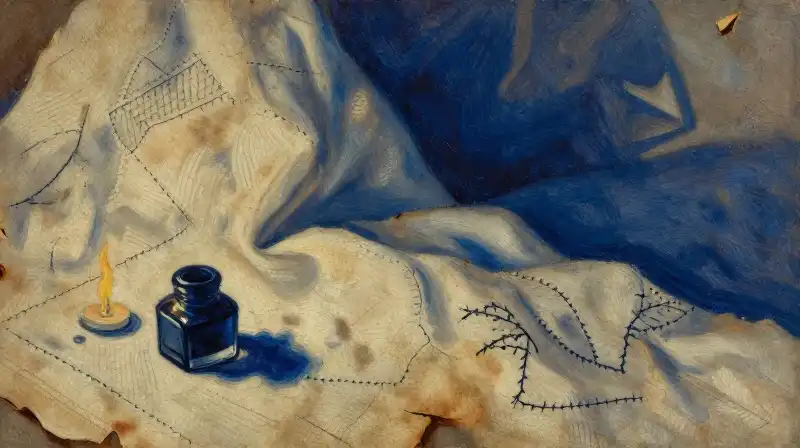
The way a story is drawn can dictate how the reader perceives the era. While most use traditional ink, some artists push the boundaries of what a “graphic” medium can be. Gareth Brookes’ The Dancing Plague is a striking example; rather than using traditional drawing, the work utilizes embroidery and pyrography on Calico to depict the 1518 outbreak in Strasbourg [1]. This choice of medium creates a tactile, almost relic-like quality that mimics the historical period itself.
Re-examining Legend and Myth
Historical graphic novels also serve as a vehicle for re-evaluating established narratives. This can manifest in two ways:
- Faithful Rendition: Eric Shanower’s Age of Bronze offers a dedicated, faithful approach to Trojan legends, respecting the source material while utilizing the visual clarity of the medium [1].
- Subversive Reimagining: Works like Edouard Cour’s Herakles take a brutal, unromanticized view of the 12 labors of Hercules, stripping away the sanitized heroics of later interpretations [1]. Similarly, Jeff Loveness’s Judas uses a different lens to explore the biblical figure’s role in the death of Jesus, challenging the reader’s preconceived notions of betrayal and agency [1].
Navigating the Genre: A Reader’s Guide
Because “historical fiction graphic novels” covers everything from children’s stories to complex political dramas, finding the right entry point is essential. If you are looking for a specific experience, consider the following paths:
- For the War Enthusiast: Seek out Garth Ennis’s WWII-focused works like War Stories or Johnny Red (which follows a British pilot in a Soviet squadron) for non-romanticized, high-stakes combat [1].
- For the Speculative Reader: Look toward “alt-history” like Nathan Fairbairn’s Lake of Fire, which blends 13th-century settings with sci-fi elements [1].
- For the Epic Seeker: Start with Kingdom for Chinese unification or Kieron Gillen’s Three, which follows Helot slaves attempting to escape ancient Sparta [1].
- For the Casual or Younger Reader: The comedic adventures of the Gauls in Asterix offer a lighter, more accessible entry into historical settings [1].
Synthesis: Why the Historical Graphic Novel Matters
The historical graphic novel succeeds because it refuses to let the past remain a static set of dates and names. By combining the meticulous research of the historian with the empathetic eye of the artist, these works breathe life into the ghosts of previous centuries. They allow us to inhabit the psychological space of the soldier in the trench, the fugitive in the Weimar streets, or the mythic hero in the ancient dust. In doing so, they remind us that while the technology and social structures of humanity change, the fundamental struggles of identity, survival, and morality remain strikingly constant.
Sources
- Historical Fiction recommendations : r/graphicnovels — reddit.com
Related Articles