
Historical Graphic Novels: From Educational Guides to War Epics

Introduction
To open a historical graphic novel is to encounter a dual reality: the immutable facts of the past meeting the subjective, visceral power of sequential art. Unlike a standard textbook, which might offer a distance through clinical prose, the graphic medium forces a confrontation with the textures of history. We do not merely read about the mud of the trenches or the neon flicker of a 1940s jazz club; we see the weight of the atmosphere rendered in ink and shadow. This intersection of visual storytelling and historical inquiry creates a unique cognitive space where complex movements—from the Albigensian Crusade to the Weimar Republic—become immediate, felt experiences.
The genre is far from monolithic. It operates across a vast spectrum, functioning as a pedagogical tool for students, a medium for brutalist war deconstruction, a vessel for deeply personal memoirs, and a playground for “alt-history” speculation. Whether through the meticulous recreation of a specific era or the experimental use of non-traditional materials, historical graphic novels allow us to navigate the past with a precision that is both academic and deeply human.
The Pedagogical and the Personal: Two Ends of the Spectrum
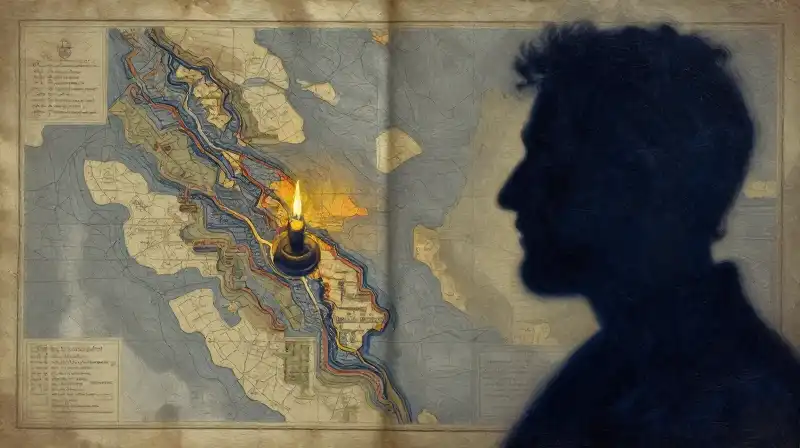
The utility of the graphic novel often depends on its intended audience and its relationship to truth. On one end, we find works designed to democratize history, making dense timelines accessible to visual learners and reluctant readers. On the other, we find works that use history to explore the darkest corners of the human psyche.
Educational Frameworks
For younger readers or those seeking a structured overview, educational series like Graphic U.S. History serve as vital entry points. By utilizing a concise, 54-page format and the immediacy of speech bubbles, these volumes break down centuries of American development—spanning from the Revolution to the Civil Rights Movement—into digestible, visual segments [2]. This approach does not merely simplify; it translates complex socio-political shifts into a visual language that aids retention and engagement [2].
The Weight of Memoir and Non-Fiction
While many works in this genre lean into the “novel” aspect, the line between fiction and documentary is frequently blurred. Art Spiegelman’s Maus remains the seminal example of this intersection, utilizing anthropomorphic imagery to navigate the horrors of the Holocaust [1]. Though categorized as non-fiction, its mastery of the graphic medium demonstrates how visual metaphor can convey the trauma of history in ways that traditional prose often struggles to reach [1].
Subgenres of Historical Narrative
As the medium has matured, creators have carved out specialized niches, using the constraints and freedoms of drawing to explore different historical flavors.
| Subgenre | Core Characteristics | Representative Examples |
|---|---|---|
| War Fiction | Focuses on the visceral, often non-romanticized reality of combat and the psychological toll on soldiers. | Garth Ennis’s Johnny Red; Pat Mills’ Charley’s War [1]. |
| Historical Noir | Blends period-accurate settings (often mid-20th century) with crime, mystery, and shadow-heavy aesthetics. | The Fade Out by Brubaker and Phillips [1]. |
| Alt-History / Fantasy | Places speculative or supernatural elements within a documented historical framework. | Lake of Fire by Nathan Fairbairn [1]. |
| Mythological/Ancient | Reimagines legends, folklore, or the founding conflicts of ancient civilizations. | Age of Bronze by Eric Shanower; Kingdom by Hara Yasuhisa [1]. |
Deconstructing the “Noble” War
A significant evolution in the genre is the rejection of the “boy’s adventure” trope. Historically, many comics depicted war through a lens of heroism and moral clarity. Modern historical graphic novels, however, frequently aim for a “not romanticized” view. Pat Mills’ Charley’s War is a noted example, upending traditional views of combat to show the grit and indignity of war [1]. Similarly, Garth Ennis utilizes works like Battlefields and War Stories to examine the complexities of conflict rather than offering simple glory [1].
The Precision of Period Studies
Some authors eschew broad sweeping epics in favor of microscopic, intense period studies. Jason Lutes’ Berlin is a masterclass in this approach, focusing on the life of individuals—specifically LGBT figures—during the Weimar Republic [1]. This allows the reader to understand history not as a series of dates, but as a lived, atmospheric reality where political shifts directly impact the intimate details of daily life.
Global Perspectives and Artistic Innovation
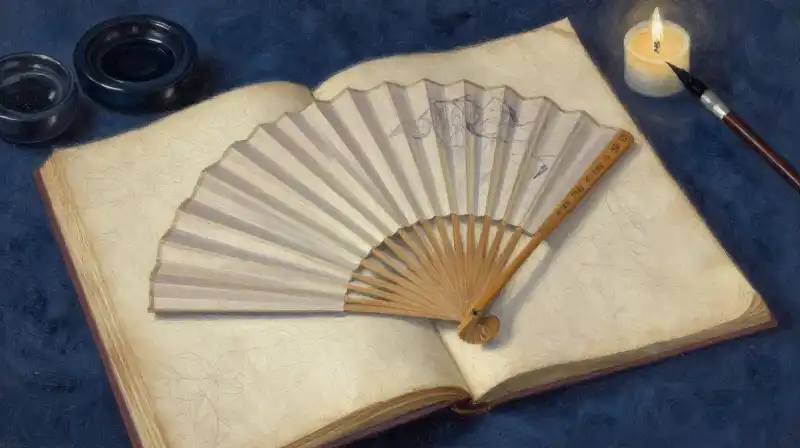
The historical graphic novel is a global phenomenon, with distinct stylistic traditions emerging from different cultural landscapes.
- Manga and Eastern Perspectives: Japanese manga offers profound historical depth, ranging from the sweeping martial epics of Vinland Saga and Vagabond to the harrowing, semi-autobiographical survivor narrative of Keiji Nakazawa’s Barefoot Gen [1].
- European Traditions: The European “bande dessinée” tradition provides a vast array of historical narratives, from the dynastic intrigues of The Borgias to the sprawling, detailed worlds of Hermann’s Towers of Bois-Maury [1].
- Material Innovation: Beyond the ink on paper, some creators use the medium’s physical properties to enhance historical storytelling. Gareth Brookes’ The Dancing Plague, which depicts the 1518 outbreak in Strasbourg, is rendered through embroidery and pyrography on Calico, using the texture of the medium to reflect the chaotic, organic nature of the event [1].
Finding Your Starting Point
Because the genre spans from children’s educational guides to mature, brutal epics, readers often wonder where to begin. To navigate this landscape, consider your primary interest:
- If you want to learn: Start with the Graphic U.S. History series for a structured, visual foundation of American history [2].
- If you want intensity: Look toward Garth Ennis for war stories or Edouard Cour’s Herakles for a brutal, unflinching retelling of myth [1].
- If you want atmosphere: Seek out the “noir” aesthetic of The Fade Out or the detailed social landscapes of Jason Lutes’ Berlin [1].
- If you want epic scale: Turn to the manga Kingdom for the unification of China or Eric Shanower’s Age of Bronze for the Trojan legends [1].
Synthesis: Why the Visual Past Matters
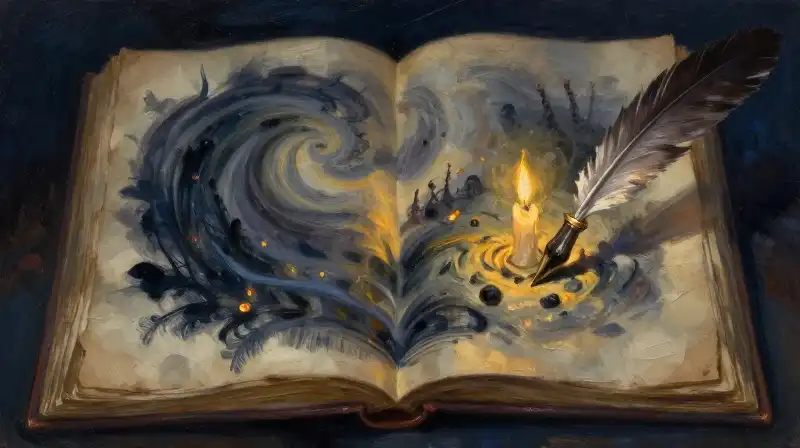
The historical graphic novel succeeds because it refuses to separate the “what” of history from the “how” of human experience. By combining the research of a historian with the empathy of a novelist and the eye of an artist, these works do more than recount the past—they resurrect it. They remind us that history is not a static collection of facts, but a lived, textured, and often violent sequence of moments that shaped the world we inhabit today.
Sources
- Historical Fiction recommendations : r/graphicnovels — reddit.com
- Graphic U.S. History — timberdoodle.com
Related Articles