
What distinguishes modern drama from classical literature

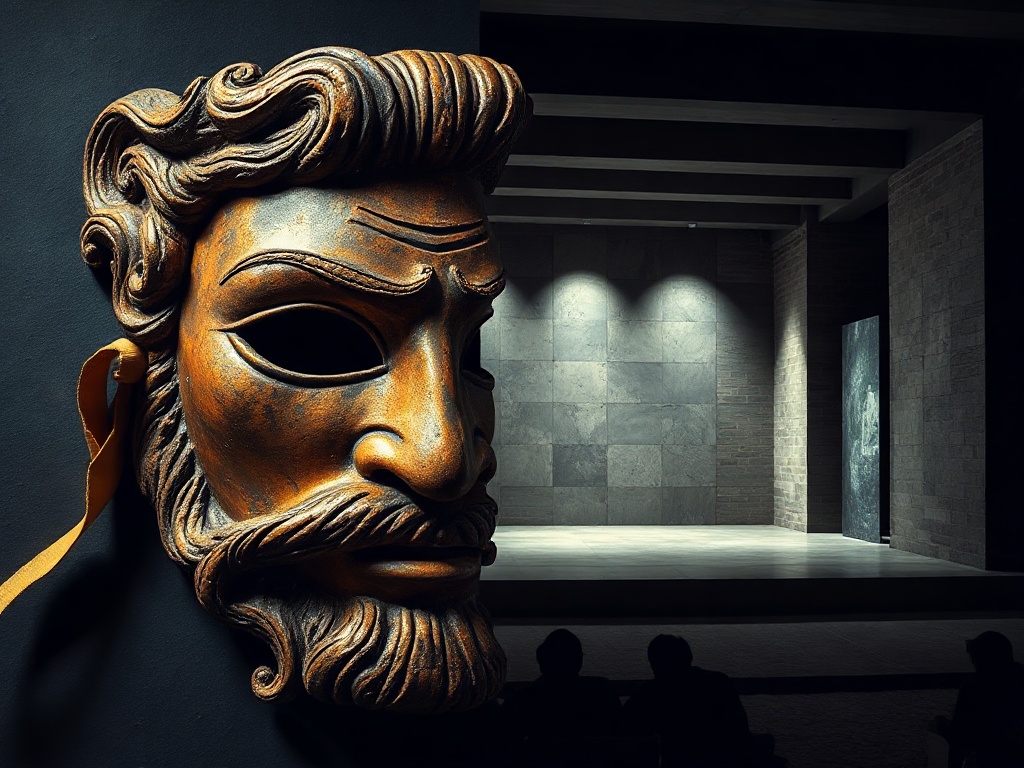
Classical literature, broadly defined as works from ancient Greece and Rome, alongside subsequent imitations and adaptations through the Renaissance, established many foundational literary conventions. These works, often dealing with weighty themes of fate, heroism, and divine intervention, meticulously adhered to specific dramatic structures and a prescribed sense of decorum. The inherent aim was to explore universal truths and inspire awe, often conveying a sense of moral order and societal stability. Their longevity speaks to the power of these enduring narratives, yet the landscape of dramatic literature underwent a profound shift with the advent of modernity.
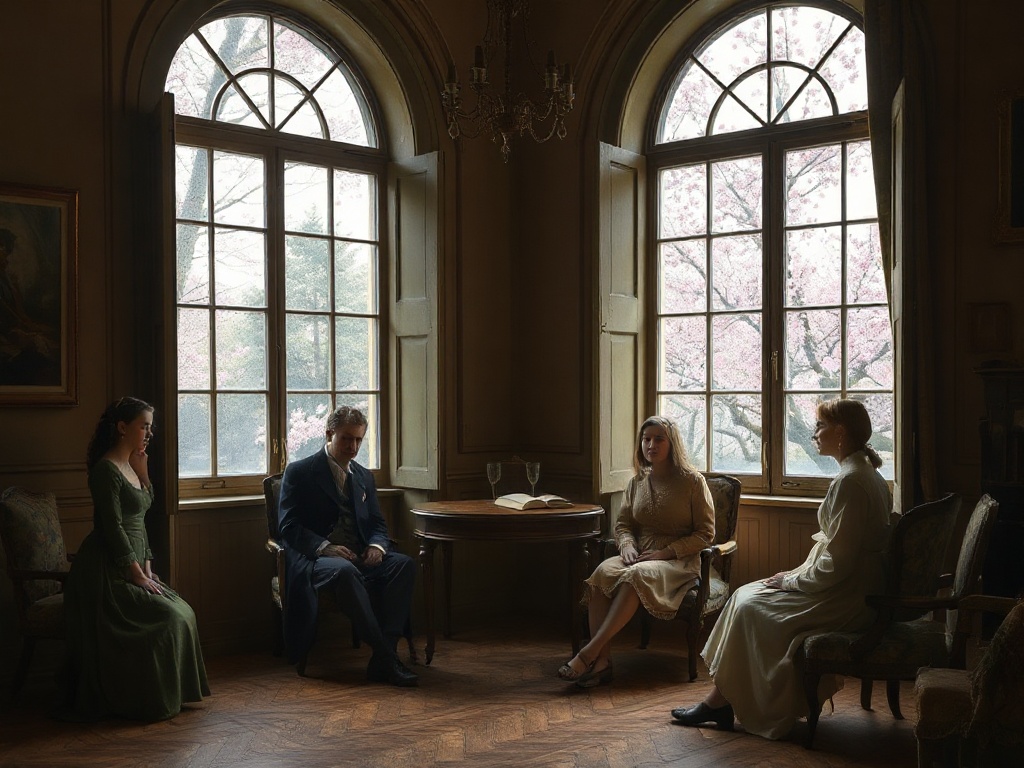
Modern drama, emerging from the late 19th century onwards, rejected many of these traditional constraints. Fueled by social and philosophical changes brought about by industrialization, urbanization, and new psychological theories, modern playwrights prioritized exploring the complexities of human experience in a fractured and often chaotic world. The focus moved away from grand narratives of heroic destinies and towards examining the psychological nuances, interpersonal relationships, and societal anxieties of ordinary individuals, presenting a much more fragmented and subjective view of reality.
## The Aristotelian Unities vs. Fragmented Structures
Classical drama was famously bound by the Aristotelian Unities: time, place, and action. This meant the entire play unfolded within a single location, over a relatively short period, and centered around a single, primary plotline. This created a sense of focused narrative and dramatic intensity. Plays like Sophocles’ Oedipus Rex exemplify this principle, delivering a complete and impactful story within a tight framework, ensuring every element contributes directly to the central action and its tragic resolution. The purpose was to create a unified and aesthetically pleasing whole, allowing the audience to fully grasp the consequences of a character’s actions.
Modern drama frequently abandons these unities, embracing fragmented structures and non-linear narratives. Henrik Ibsen’s Ghosts, for example, utilizes flashbacks and shifting perspectives to reveal a complex family history, disrupting chronological order and emphasizing the lasting effects of past traumas. This deliberate fragmentation mirrors the perceived fragmentation of modern life itself, reflecting a sense of disorientation and a questioning of established causality. Playwrights increasingly utilized techniques like stream of consciousness and episodic scenes to reflect the chaotic and subjective nature of human perception.
This departure from traditional structure isn’t necessarily a degradation of dramatic form, but rather an evolution. Modern playwrights use these flexible structures to explore multiple storylines, introduce ambiguities, and offer a more nuanced and challenging theatrical experience. The emphasis shifts from conveying a complete and definitive narrative to presenting a series of interconnected moments and perspectives, inviting the audience to actively participate in constructing their own meaning.
## Elevated Language vs. Colloquial Dialogue
Classical drama typically employed elevated language – poetic verse, elaborate metaphors, and formal rhetoric. This served to elevate the subject matter, reinforce the importance of the characters, and create a sense of distance between the stage and the audience. Shakespeare’s sonnets, woven into the fabric of his plays, demonstrate the use of complex poetic devices to convey emotions and philosophical ideas, imbuing the characters with a sense of profound dignity. The formal language also mirrored the hierarchical social structures of the time, reflecting the established order of things.
Modern drama, conversely, frequently utilizes colloquial dialogue – language that reflects everyday speech patterns and vernacular expressions. This shift aims for greater realism and immediacy, drawing the audience closer to the characters and their experiences. Arthur Miller’s Death of a Salesman, for example, is characterized by its naturalistic dialogue, capturing the rhythms and frustrations of working-class America, moving away from idealized representations of character. The use of everyday language also allows for a more direct exploration of social issues and challenges the notion of inherently superior language.
The adoption of colloquialism in modern drama doesn’t equate to a lowering of literary standards, but represents a deliberate stylistic choice to enhance authenticity and emotional impact. It seeks to portray characters as believable individuals, grappling with relatable problems in a way that resonates with a modern audience. The focus becomes less on the beauty of the language itself, and more on the truth it conveys.
## Divine Intervention vs. Psychological Realism
Classical tragedies often featured the intervention of gods or fate, who dictated the characters’ destinies and influenced the unfolding of events. This belief in a predetermined order underscored the notion that human actions were often driven by forces beyond their control, resulting in tragic outcomes brought about by defying those forces. Greek tragedies like Antigone demonstrate the consequences of challenging divine law, ultimately highlighting the limitations of human agency against the will of the gods.
Modern drama largely abandons the notion of divine intervention, shifting the focus towards psychological realism - exploring the characters’ internal motivations, anxieties, and relationships as the primary drivers of their actions. Eugene O’Neill’s plays, particularly Long Day’s Journey into Night, delve deep into the psychological complexities of a dysfunctional family, revealing the destructive effects of addiction and unresolved trauma. The characters’ struggles are internal and self-inflicted, shaped by their past experiences and psychological vulnerabilities, rather than external forces.
This shift reflects a broader shift in philosophical thought, moving away from explanations rooted in supernatural forces and towards understandings based on psychological and sociological factors. Modern drama seeks to illuminate the inner workings of the human mind and the intricate web of relationships that shape our behavior, often leading to tragic outcomes resulting from flawed perceptions and individual choices.
## Moral Certainty vs. Existential Ambiguity
Classical literature, particularly tragedy, often presented clear moral lessons or consequences for actions. Characters who violated societal norms or defied the gods faced inevitable punishment, reinforcing the importance of virtue and adherence to established principles. The tragic hero’s downfall served as a cautionary tale, imparting a sense of moral order and clarifying the consequences of transgression, ultimately offering a sense of justice, however harsh.
Modern drama, on the other hand, frequently embraces existential ambiguity, questioning traditional moral frameworks and refusing to provide easy answers. Samuel Beckett’s Waiting for Godot exemplifies this, portraying characters trapped in a cyclical existence, devoid of meaning or purpose. The play offers no clear resolution or moral lesson, leaving the audience to grapple with the absurdity of human existence and the uncertainty of life’s purpose. The lack of clear moral guidance reflects a broader cultural skepticism and disillusionment with traditional institutions and beliefs.
This embrace of ambiguity encourages audiences to engage critically with the play’s themes and form their own interpretations. Modern drama doesn’t seek to dictate moral judgments but rather to provoke thought and explore the complexities of human experience in a world without inherent meaning. It leaves the audience with questions, challenging them to confront the inherent uncertainties of existence and to define their own values.
## Conclusion
In summary, modern drama represents a significant departure from the conventions of classical literature. The abandonment of the Aristotelian Unities, the shift from elevated language to colloquial dialogue, the rejection of divine intervention in favor of psychological realism, the questioning of traditional morality, and the embrace of existential ambiguity collectively mark a profound transformation in dramatic storytelling. These changes were driven by evolving social, philosophical, and psychological perspectives that challenged the established order and sought to reflect the complexities of modern life.
Ultimately, the distinction isn’t about one form being “better” than the other, but rather about understanding the distinct aims and contexts of each. Classical literature sought to explore universal truths and inspire awe through carefully crafted narratives, while modern drama prioritizes a deeper exploration of the human condition, embracing complexity, ambiguity, and the individual’s subjective experience. Both forms continue to resonate with audiences, offering valuable insights into the human experience across different eras and cultural landscapes.
Related Articles