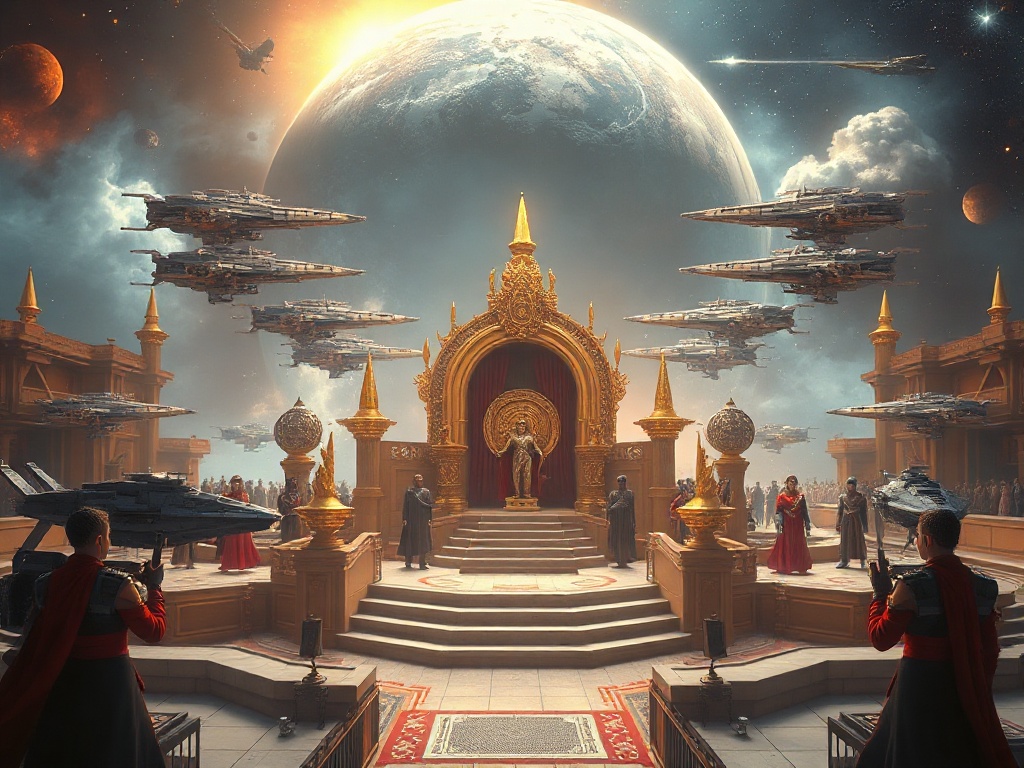

How does ScienceFiction Literatura portray interstellar diplomacy

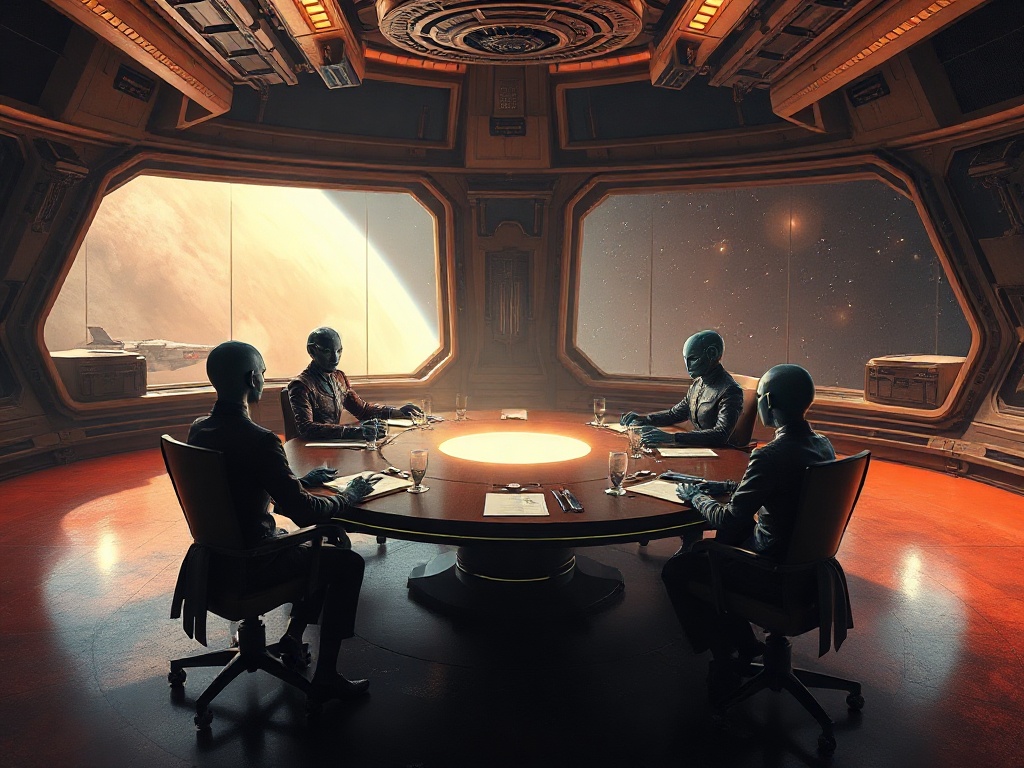
Science fiction literature, for decades, has served as a powerful lens through which we explore potential futures and grapple with complex societal and ethical dilemmas. Among these, the concept of interstellar diplomacy – the negotiation and maintenance of relationships between civilizations spread across the stars – occupies a significant space. Authors have consistently used this theme to reflect anxieties about humanity’s place in the universe, predict potential political landscapes, and examine the challenges of communication and understanding across vast cultural gulfs. The genre’s explorations are rarely simplistic; they delve into the nuances of power, prejudice, and the very definition of intelligence.
The portrayal of interstellar diplomacy in science fiction extends far beyond mere treaty signings and formal negotiations. It encompasses the subtle interactions, the misunderstandings stemming from fundamental differences in perception, the strategic maneuvering of factions, and the precarious balance between cooperation and conflict. This exploration isn’t just about plotting a course through galactic politics, but also about examining our own societal biases and considering what it truly means to be a peaceful and understanding presence among the cosmos. It’s a space for speculating on the best, and worst, outcomes of such interactions, revealing truths about ourselves along the way through the prism of speculation.
## Cultural Relativity & Communication Barriers
The most common challenge depicted in science fiction regarding interstellar diplomacy is the immense difficulty of bridging cultural gaps. Authors often highlight how fundamentally different biological structures, sensory experiences, and cognitive processes can lead to misinterpretations and conflict. Ursula K. Le Guin’s The Left Hand of Darkness famously explores this through a story focusing on a human envoy attempting to negotiate with an alien species whose gender fluidity renders traditional diplomatic strategies ineffective. The inability to effectively communicate across these profound differences represents a major obstacle, showcasing the relativity of understanding.
Furthermore, authors frequently demonstrate that even when translation technology exists, it’s insufficient. Nuance, humor, sarcasm, and deeply ingrained cultural assumptions often get lost in literal translation, leading to escalating tensions. The reliance on intermediaries and translators frequently introduces new layers of bias and manipulation, highlighting the inherent limitations of relying on external parties to convey meaning. This creates a cycle of distrust, where each side suspects the other of intentional misrepresentation and deception.
Finally, many narratives emphasize the importance of non-verbal communication and attempting to understand alien behavior through observation rather than direct interaction. The best diplomats in science fiction are often those who possess a deep empathy and a willingness to abandon their own cultural frameworks in order to genuinely understand the other civilization’s perspective – a testament to the ultimate patience required for cross-cultural understanding.
## The Problem of Power Asymmetry
Science fiction consistently grapples with the potential for unequal power dynamics to dominate interstellar diplomatic relations. One prevalent trope is the vastly more advanced civilization encountering a less developed one – a scenario that immediately raises ethical questions about intervention, exploitation, and the preservation of cultural autonomy. Arthur C. Clarke’s Rendezvous with Rama hints at this dynamic with the alien Rama spacecraft, though it largely avoids direct interaction, the underlying power imbalance is palpable. This disparity leads to an inherent instability within any negotiation.
This asymmetry can manifest not just in technological superiority, but also in other forms of power, such as demographic dominance, economic control, or even simply a perceived cultural superiority. Often, the more powerful civilization attempts to impose its own values and institutions on the less powerful, leading to resentment, resistance, and ultimately, conflict. These narratives serve as cautionary tales about the dangers of unchecked ambition and the importance of respecting the self-determination of other cultures, demonstrating a powerful ethical responsibility.
The solution, if it exists at all, typically lies in finding a mutually beneficial exchange – something beyond purely economic gains. This might involve sharing knowledge, providing aid, or simply offering recognition and respect. However, even in the most optimistic scenarios, maintaining a balanced power dynamic requires constant vigilance and a commitment to fairness on both sides, something rarely found in narratives of galactic politics.
## The Role of Artificial Intelligence & Mediation
The advent of advanced artificial intelligence (AI) has become a recurring element in science fiction depictions of interstellar diplomacy. These AI often act as mediators, translators, and even negotiators, precisely because they are perceived to be less susceptible to emotional biases and cultural prejudices. Iain M. Banks’ Culture series frequently features Minds – hyper-intelligent AIs – managing much of the Culture’s diplomatic interactions, prioritizing long-term stability and minimizing conflict. This approach highlights the perceived objectivity of AI.
However, the use of AI in diplomacy is not without its complications. Concerns arise about the potential for AI to prioritize logic over compassion, to manipulate situations to achieve pre-programmed objectives, or to simply lack the human understanding necessary to navigate complex cultural nuances. The potential for an AI’s programming to reflect the biases of its creators also presents a significant risk, potentially exacerbating existing inequalities. These narratives question the inherent value of emotional intelligence in diplomacy.
Ultimately, science fiction often suggests that AI can be a valuable tool in interstellar diplomacy, but not a replacement for human empathy and understanding. A blended approach – combining the analytical capabilities of AI with the intuition and emotional intelligence of human diplomats – is often presented as the most promising path toward peaceful relations. The symbiotic relationship of human and machine becomes crucial.
## Betrayal, Deception, and the Breakdown of Trust
Despite the best efforts at communication and understanding, science fiction literature frequently depicts interstellar diplomacy shattering due to betrayal, deception, and a breakdown of trust. This can stem from deliberate acts of malice, cultural misunderstandings, or simply the inherent difficulty of verifying the intentions of an alien civilization. The Star Trek franchise, while generally optimistic, often features scenarios where the Federation encounters species that engage in elaborate deception to gain an advantage. The inherent uncertainty in interactions is a consistent theme.
These betrayals often have catastrophic consequences, leading to war, the destruction of entire civilizations, and the collapse of painstakingly built alliances. The narratives serve as a stark reminder that even with advanced technology and diplomatic protocols, trust is a fragile commodity, particularly when dealing with entities whose motivations and values may be fundamentally different. The cost of misplaced trust is often depicted as insurmountable, a devastating failure.
Furthermore, science fiction explores the psychological toll that constant vigilance and suspicion take on diplomats. The need to constantly question the intentions of others can lead to paranoia, isolation, and a profound sense of alienation. Maintaining hope for peaceful relations in a universe rife with potential for deception requires incredible resilience and a willingness to risk disappointment, demonstrating the weight of responsibility.
## Conclusion
Science fiction’s exploration of interstellar diplomacy provides a fascinating, and often sobering, reflection on humanity’s potential and pitfalls in the face of the unknown. It consistently underscores the immense challenges involved in communicating, negotiating, and building relationships with civilizations vastly different from our own, highlighting the vital importance of cultural sensitivity, ethical considerations, and a willingness to relinquish anthropocentric viewpoints. These narratives encourage us to ponder not just how we might interact with aliens, but what kind of civilization we want to be when we do. This process prompts a profound self-reflection on our own values.
Ultimately, science fiction offers no easy answers to the complexities of interstellar diplomacy. Instead, it presents a spectrum of possibilities, from utopian visions of galactic harmony to dystopian nightmares of endless conflict. However, by exploring these diverse scenarios, the genre provides a valuable service, stimulating our imaginations, challenging our assumptions, and prompting us to consider the profound implications of encountering other intelligent life in the universe.
Related Articles