
What GraphicNovels in Literatura are considered must-reads

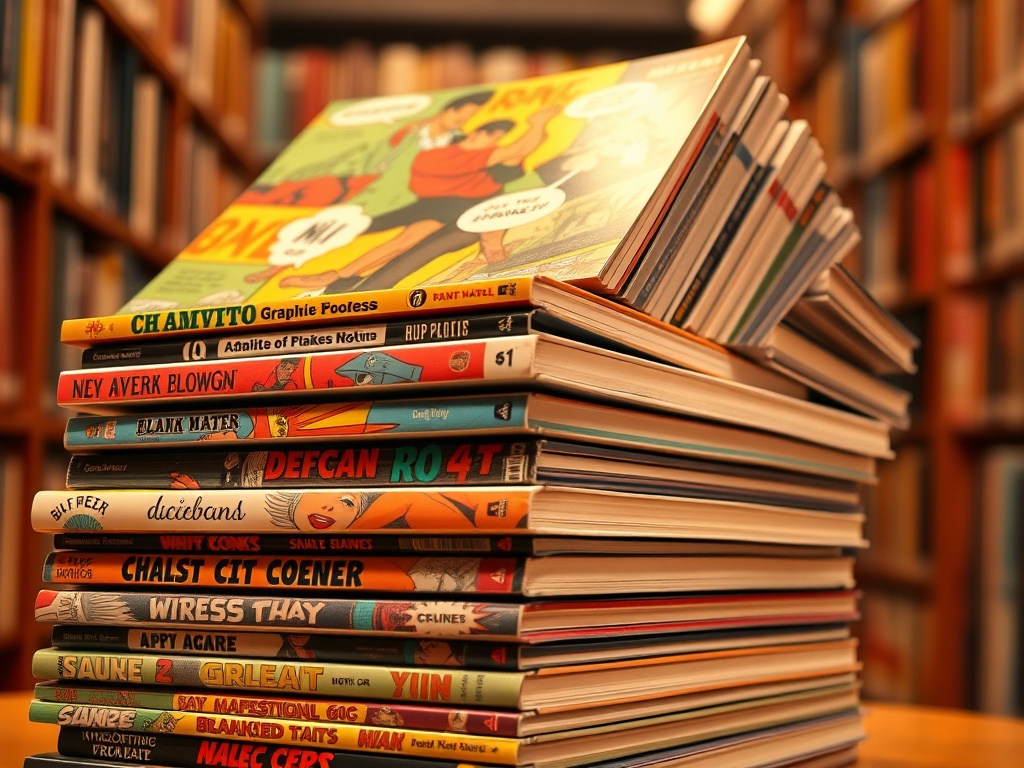
The line between “comics” and “literature” has blurred dramatically in recent decades. Once relegated to the realm of children’s entertainment or pulpy genre fiction, graphic novels – longer-form comics with more complex narratives and sophisticated artwork – are now being increasingly recognized as a powerful and legitimate literary form. This shift in perception has led to a surge in critically acclaimed graphic novels that explore weighty themes, complex characters, and innovative storytelling techniques, demanding recognition alongside traditional novels and poetry.
The rise of graphic novels as Literatura is a testament to the evolving nature of storytelling and the expanding definition of what constitutes high art. Beyond just sequential art, these works offer a uniquely immersive experience, combining striking visuals with carefully crafted prose to create layered meanings and evoke profound emotional responses. Understanding which graphic novels have ascended to must-read status requires considering both their artistic merit and their cultural impact.
## Maus: A Holocaust Testimony
Art Spiegelman’s Maus is undeniably a cornerstone of the graphic novel’s literary elevation. The story recounts Spiegelman’s interviews with his father, a Polish Jew who survived the Holocaust, presented as a narrative where Jews are depicted as mice and Nazis as cats. This ingenious visual metaphor doesn’t diminish the horrors of the Holocaust; instead, it offers a unique perspective, making the complex history more accessible while prompting crucial reflection on identity, trauma, and generational responsibility.
The innovative panel layout and Spiegelman’s masterful handling of historical detail elevate Maus beyond a simple memoir. Its layered narrative structure, juggling the father’s story, Spiegelman’s own struggles to understand his family history, and the meta-narrative of creating the comic itself, is a feat of storytelling complexity. It stands as a vital primary source document and a powerful testament to the enduring impact of the Holocaust.
The widespread critical acclaim and Pulitzer Prize awarded to Maus cemented the graphic novel’s place in serious literary conversation. It demonstrated that sequential art could grapple with profound historical events and deliver a deeply moving and intellectually stimulating experience, paving the way for other works to be considered with similar gravity.
## Persepolis: A Coming-of-Age in Iran
Marjane Satrapi’s Persepolis offers a deeply personal and poignant account of growing up during and after the Iranian Revolution. Told through Satrapi’s own perspective, the graphic novel follows her journey from a rebellious teenager in Tehran to her experience as an exile in Europe, capturing the political turmoil and societal shifts that shaped her childhood. Her stark, black and white artwork enhances the emotional impact of the narrative, emphasizing the themes of loss, identity, and resilience.
Persepolis is celebrated for its honesty and unflinching portrayal of life under a theocratic regime. Satrapi doesn’t shy away from depicting the violence, repression, and internal contradictions of Iranian society, presenting a nuanced perspective often absent in mainstream Western portrayals. The use of visual symbolism, such as recurring motifs of headscarves and political posters, adds depth and meaning to the narrative.
The accessibility and relatability of Satrapi’s coming-of-age story contribute significantly to its wide appeal. While deeply rooted in a specific cultural and historical context, the themes of family, friendship, and the search for identity resonate universally, proving that graphic novels can effectively bridge cultural gaps and foster understanding.
## Fun Home: A Family Portrait
Alison Bechdel’s Fun Home is a groundbreaking memoir that explores her relationship with her closeted gay father and her own emerging sexuality. The graphic novel masterfully weaves together family history, literary allusions, and Bechdel’s personal experiences to create a complex and deeply moving portrait of family secrets and dysfunction. Bechdel’s meticulously detailed artwork, incorporating panels that resemble architectural blueprints, adds another layer of meaning to the narrative.
The brilliance of Fun Home lies in its self-aware and analytical approach to memory and storytelling. Bechdel doesn’t present a straightforward narrative; instead, she actively interrogates the limitations of memory and the subjective nature of perception, constantly reflecting on the process of crafting her memoir. This meta-narrative quality elevates the work beyond a simple recounting of personal events.
Winning several awards, including a Thorne Award, Fun Home broke ground in memoir writing, demonstrating the power of graphic novels to explore complex psychological themes and challenging conventional notions of family and identity. Its impact extended beyond literary circles, inspiring a successful Broadway musical adaptation.
## Understanding Comics: A Visual Approach to Narrative
While not a narrative in the traditional sense, Scott McCloud’s Understanding Comics is a seminal work that examines the theory and language of comics. This meta-text meticulously dissects the elements of sequential art – panels, transitions, speech balloons, and more – and explores how they create meaning and shape the reader’s experience. It’s a crucial read for anyone seeking to understand the art form’s potential.
McCloud’s approach is both insightful and accessible, utilizing a playful visual style and clever metaphors to explain complex concepts. He demonstrates how the “gutter” – the space between panels – is crucial for creating narrative tension and inviting the reader’s active participation in constructing the story. Understanding the mechanics of comics allows for a greater appreciation of the artistic choices made by creators.
Understanding Comics has profoundly influenced the field of comics studies and has been widely adopted as a teaching tool. It provided a theoretical framework for understanding the unique power of the medium, encouraging artists and critics alike to recognize comics as a complex and sophisticated form of communication.
## Jimmy Corrigan, the Smartest Kid on Earth: A Chronicle of Chance
Chris Ware’s Jimmy Corrigan, the Smartest Kid on Earth is a sprawling and emotionally resonant exploration of loneliness, family secrets, and the weight of the past. The graphic novel utilizes a highly stylized and architecturally precise visual style to depict Jimmy’s awkward and isolated existence as he attempts to connect with his estranged father. The intricate panel layouts and layered narratives create a deliberately unsettling and ambiguous atmosphere.
Ware’s innovation lies in his experimentation with the form itself. He employs a variety of techniques – including inset panels, multiple timelines, and detailed architectural diagrams – to create a fragmented and disorienting narrative that mirrors Jimmy’s internal state. The meticulous detail and formal structure contribute to the work’s emotional weight, reflecting the difficulty of confronting uncomfortable truths.
Considered a masterpiece by many, Jimmy Corrigan pushes the boundaries of the graphic novel medium, demonstrating its capacity to tackle complex psychological themes and explore the relationship between memory, narrative, and representation. It remains a challenging and rewarding read, prompting deep reflection on the human condition.
## Conclusion
The graphic novels highlighted above represent just a fraction of the wealth of Literatura being produced in this medium today. Each work, in its own unique way, demonstrates the power of sequential art to convey complex ideas, evoke profound emotions, and offer new perspectives on the world around us. The initial skepticism surrounding graphic novels as serious literary works has largely dissipated, replaced by a growing appreciation for their artistic merit and cultural significance.
The ongoing evolution of graphic novels as a literary form promises even more innovative and thought-provoking works in the years to come. By embracing the unique combination of visual and narrative elements, creators are pushing the boundaries of storytelling and redefining the very notion of what it means to be a literary work.
Related Articles