
Science Fantasy Explained: Merging Magic and Technology

The Friction of the Impossible
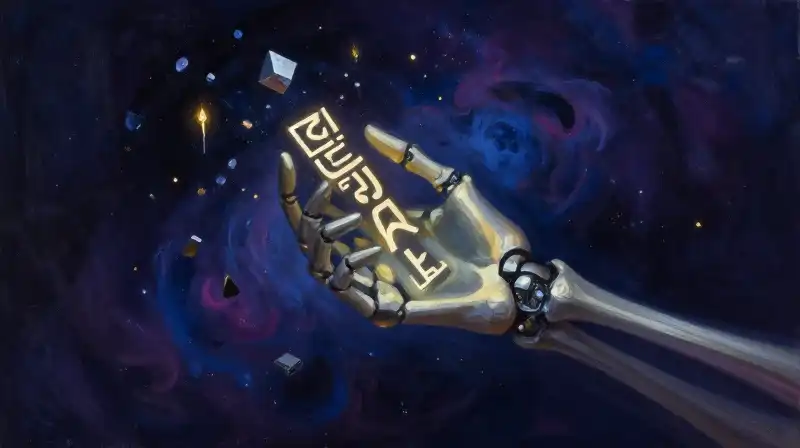
A starship captain navigates a nebula using ancient runes etched into a silicon processor. A necromancer commands an army of skeletons, but only after they have been retrofitted with cybernetic enhancements. To the casual observer, these images seem contradictory, perhaps even nonsensical. Yet, for a growing segment of readers, this collision of the mystical and the mechanical is the very heartbeat of a compelling narrative. This is the realm of science fantasy.
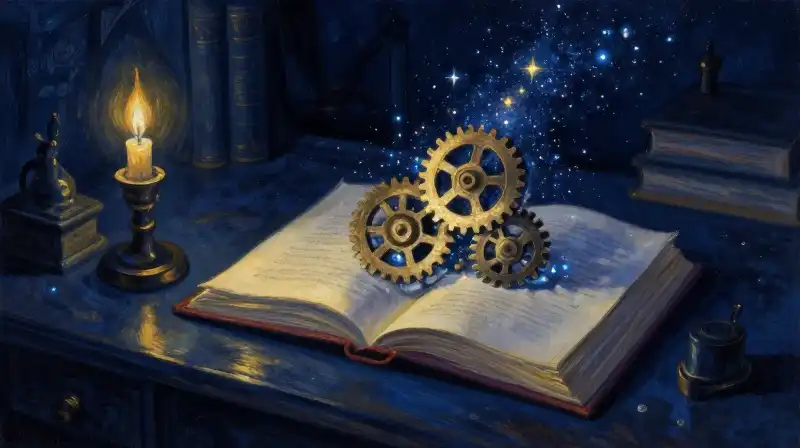
Science fantasy is a hybrid sub-genre that fuses elements of both science fiction and fantasy without belonging strictly to either. To qualify as such, a work must possess at least one core facet from each parent genre, creating a distinct “fusion of science and magic” [1]. It is a genre defined by its productive tension—the friction that occurs when the rigid, rule-based frameworks of science fiction meet the boundless, often whimsical possibilities of fantasy [1].
Defining the Boundary
The primary question often asked by readers is: Can a book be both science fiction and fantasy? The answer is a definitive yes, provided the elements of both are foundational to the world-building and plot rather than merely decorative. While science fiction often looks toward the future and relies on technological evolution or speculative physics, fantasy frequently looks toward the past, archetypes, and the supernatural [1].
The difficulty in writing successful science fantasy lies in preventing one side of the equation from rendering the other obsolete. If a writer introduces a teleporter, the “mystical journey” of a fantasy quest often loses its stakes. To succeed, the author must find ways to make magic relevant in a technologically advanced setting, or technology that is itself shaped by magical laws [1].
The Speculative Spectrum
To understand where science fantasy sits, it is helpful to view it alongside its parent genres. The distinction often lies in the “how” of the world’s wonders.
| Genre | Core Driver | Typical Orientation | Examples |
|---|---|---|---|
| Science Fiction | Technology, physics, and scientific advancement | The future or speculative timelines | Isaac Asimov’s Foundation, Andy Weir’s The Martian [2] |
| Fantasy | Magic, myth, and the supernatural | The past or secondary worlds | J.R.R. Tolkien’s The Hobbit, Ursula K. Le Guin’s A Wizard of Earthsea [2] |
| Science Fantasy | The intersection of magic and technology | Multiverses, space operas, or regressed futures | Anne McCaffrey’s Dragon Riders of Pern, Roger Zelazny’s The Great Book of Amber [1, 2] |
Mechanisms of Narrative Fusion
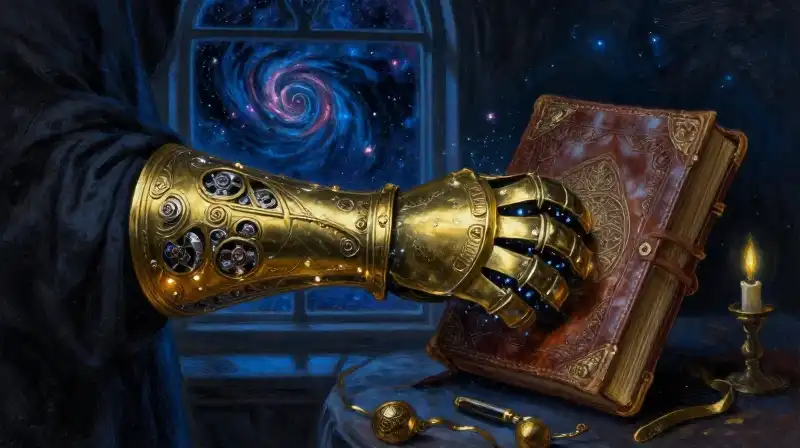
Authors employ several distinct techniques to weave these disparate threads together. Rather than simply placing a wizard on a spaceship, the most effective science fantasy integrates the two concepts into a singular, cohesive logic.
Techniques of Integration
- Technological Augmentation of Magic: Instead of technology replacing magic, it is used to enhance it. In Alex White’s A Big Ship At The Edge Of The Galaxy, the “fantasy cyborg” concept demonstrates how technology can evolve to support and amplify magical systems [1].
- The Macro-Scale Expansion: Using a science fiction setting to broaden the scope of fantasy tropes. Tamsyn Muir’s Gideon the Ninth uses the backdrop of an intergalactic empire and deep space to expand the traditional themes of necromancy into a grand, cosmic scale [1].
- The Multiversal Bridge: Creating worlds where the laws of reality shift. Roger Zelazny’s The Great Book of Amber navigates a multiverse where different planes of existence range from pure, traditional fantasy to hard science fiction [1].
- The Regression Model: Setting a story in an “apocalyptic Earth” where high technology has failed, and the world has regressed into a state governed by magic. Examples include Mark Lawrence’s Red Sister or the works of Eyal Kless [1].
- Conceptual Juxtaposition: Using high-tech frameworks to frame magical events. Matthew Stover’s Heroes Die achieves this by setting a technologically advanced world where a protagonist uses technology to broadcast adventures to a magical planet as reality TV [1].
A Guide to Exploring the Genre
Because the genre is so broad, readers often seek different entry points. Whether you prefer “hard” science fiction with strict rules or “epic” fantasy with sweeping lore, there is a path into science fantasy that will feel intuitive.
Recommended Entry Points
- For the Lore-Seeker: Start with Dragon Riders of Pern by Anne McCaffrey. It is a classic example of how sci-fi and fantasy elements can be blended to create a lasting, impactful mythos [2].
- For the Hard Sci-Fi Enthusiast: If you enjoy the groundedness of Andy Weir’s The Martian or Project Hail Mary, look for science fantasy that maintains a sense of rigorous internal logic, even when magic is present [2].
- For the Epic Fantasy Fan: If you gravitate toward the world-building of Brandon Sanderson’s Stormlight Archive or the foundations laid by C.S. Lewis, seek out “space operas” that utilize grand, sweeping scales similar to Frank Herbert’s Dune [2].
- For the Stylistic Adventurer: Explore the works of Neal Stephenson (such as Snow Crash) or Martha Wells (The Murderbot Diaries) to see how speculative futures and technological evolution can border on the fantastical [2].
Why the Hybrid Matters
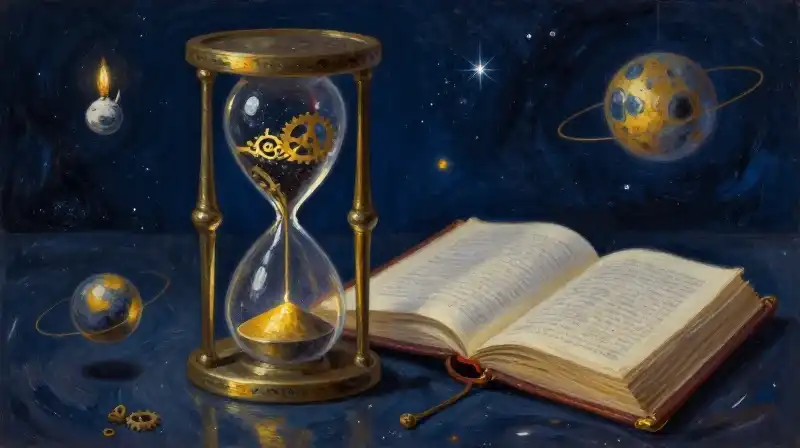
Science fantasy matters because it refuses to accept the limitations of a single perspective. By merging the “how” of science with the “why” of magic, authors can explore the human condition through a more complex lens. It allows us to contemplate the terrifying scale of the cosmos while remaining grounded in the ancient, archetypal struggles of good, evil, and destiny. Whether it is the humorous, unparalleled world-building seen in Terry Pratchett’s Discworld or the grim, technological evolutions of modern speculative fiction, the genre thrives in the space where our logic meets our wonder [2].
Sources
- The Best Of Science Fantasy — thequilltolive.com
- What are your 10/10 Sci-fi and Fantasy Book? : r/suggestmeabook — reddit.com
Frequently Asked Questions
Can a book be both science fiction and fantasy?
Yes, a book can be both provided that elements of each genre are foundational to the plot and world-building rather than just decorative. This creates a science fantasy work defined by the fusion of science and magic.
Related Articles