Aesop’s Sour Grapes: The Origin, Meaning, and Literary Legacy


The Psychology of the Unattainable

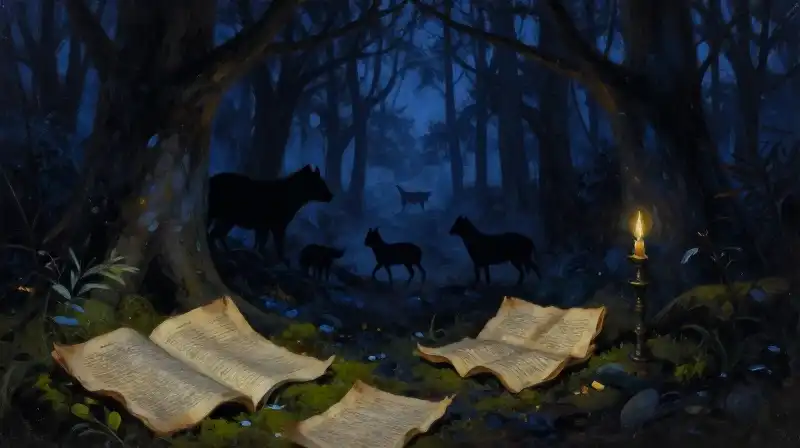
A fox, driven by hunger and desire, eyes a cluster of ripe, succulent grapes hanging from a high vine. He leaps, he stretches, and he tries repeatedly to bridge the gap between his teeth and the fruit, but the height is insurmountable [1, 2]. Rather than admit defeat or acknowledge his limitation, the fox turns away with a sneer, declaring that the grapes were likely sour and not worth the effort anyway [1, 2].
In a few short sentences, Aesop’s fable “The Fox and the Grapes” manages to capture a fundamental glitch in human reasoning. It has transitioned from a simple moral tale for children into a pervasive linguistic shorthand: the idiom “sour grapes” is now used globally to describe the act of disparaging something simply because one cannot possess it [1, 2, 3]. But beyond the idiom lies a rich history of literary adaptation, cultural variation, and a profound psychological truth regarding how we protect our egos from the sting of failure.
Cognitive Dissonance and the Defense Mechanism
To understand why this fable resonates across millennia, one must look past the animal characters to the mental process they represent. Modern commentators often interpret the fox’s reaction as an early literary illustration of cognitive dissonance [2].
Cognitive dissonance occurs when an individual holds two conflicting beliefs—in this case, “I desperately want those grapes” and “I am incapable of getting them” [2]. This tension creates psychological discomfort. To resolve that discomfort without having to change his fundamental self-image or acknowledge his inadequacy, the fox changes his perception of the object of desire. By reframing the grapes from “delicious” to “sour,” he aligns his desire with his reality, effectively shielding his ego from the reality of his failure [2]. This mechanism of “rationalization” is what gives the fable its lasting utility as a tool for social and psychological observation.
The Evolution of the Fable
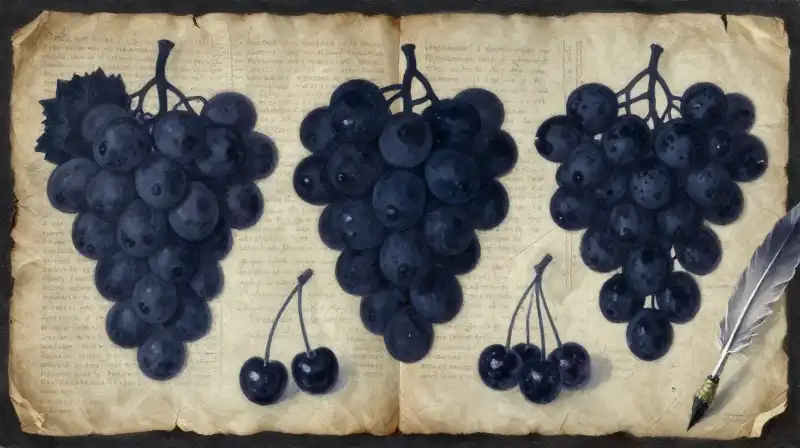
While the core narrative remains stable, the “grapes” themselves have shifted depending on the geography and the era of the storyteller. Fables are living texts, often adapting their imagery to suit the local environment or the specific cultural nuances of the audience [2].
- Regional Variations: In Scandinavian traditions, the grapes are often replaced by rowanberries, a fruit more readily available to the local storyteller [2].
- Medieval Iterations: By the 12th century, versions recorded by thinkers like Peter Abelard and Aimeric de Peguilhan featured a fox pursuing cherries rather than grapes [2].
- Russian Nuance: In Russian literature, the fable has birthed specific proverbial responses. One common expression is “Зелен виноград” (Green are the grapes), used as a retort to someone who is disparaging something they lack [2]. Another, attributed to Ivan Krylov, is “Хоть видит око, да зуб неймет” (The eye may see, but the tooth cannot grasp), which emphasizes the agony of proximity without access [2].
Masterpieces of Reinterpretation
The fable’s transition from oral tradition to high literature was cemented by poets and artists who saw in the fox more than just a hungry animal. They saw a mirror for human vanity.
La Fontaine and the Ambiguity of Desire
Perhaps the most influential retelling is Jean de La Fontaine’s Le Renard et les Raisins [2]. La Fontaine’s version elevated the fable into the realm of sophisticated French verse, contributing significantly to its enduring prestige in Europe [2]. Interestingly, scholars have noted a layer of sexual ambiguity in his work; the term for “unripe” (such as the Greek omphax or the French vert) can refer not only to fruit but also to a young woman not yet ready for marriage, adding a complex subtext to the fox’s pursuit [2].
Literary and Visual Expressions
The fable has continued to inspire creators across different media, each finding a new way to frame the fox’s “careless smile” [2]:
- Poetry: In 1687, Aphra Behn penned a quatrain describing the fox as he forced a smile while claiming the grapes were “sharp and hardly worth my while” [2].
- Fine Art: The story has been immortalized in visual culture, from the detailed 1870 illustrations of Gustave Doré to the delicate patterns of Sèvres porcelain [2].
- Sculpture: Artistic interpretations vary in energy. While many versions show a sedentary, resigned fox, a bronze medallion by Jean Vernon depicts two foxes in an active, physical scramble up a trellis, emphasizing the struggle itself rather than just the aftermath [2].
Fables vs. Moral Didacticism
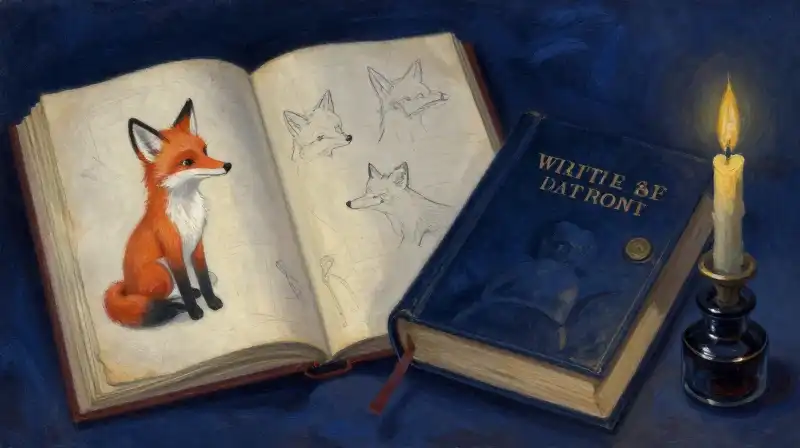
To appreciate the craft of Aesop, it is helpful to distinguish the fable from other forms of instructive writing. The fable does not lecture; it illustrates.
| Feature | The Fable (Aesop) | Pure Didactic Prose |
|---|---|---|
| Method | Uses allegory and anthropomorphism to show behavior. | Uses direct commands and explicit moralizing. |
| Engagement | Engages through narrative tension and character. | Engages through logical argument or religious authority. |
| Longevity | High; stories survive even when the specific moral is forgotten. | Lower; often tied to the specific social rules of its era. |
Why the Fox Matters
The enduring power of “The Fox and the Grapes” lies in its economy of scale. It is a complete psychological profile contained within a single scene. We remember it not because we are taught to avoid being like the fox, but because we recognize that we often are the fox. By turning the grapes sour, we attempt to maintain dignity in the face of our limitations. The fable remains a vital piece of literary heritage because it provides a vocabulary for our most common, most human defense mechanism: the tendency to despise what we cannot reach.
Sources

- Library of Congress Aesop Fables — read.gov
- The Fox and the Grapes — en.wikipedia.org
- TIL that the term ‘sour grapes’ originates from the Aesop’s fable “The Fox and the Grapes” (620–564 BCE), in which a fox, unable to reach grapes he is seeking, decides that they must have been sour. The moral that accompanies the story is that “any fool can despise what he can not get”. : r/todayilearned — reddit.com
Related Articles