Aesops Fox and the Crow: Morals, History, and Variations


Introduction
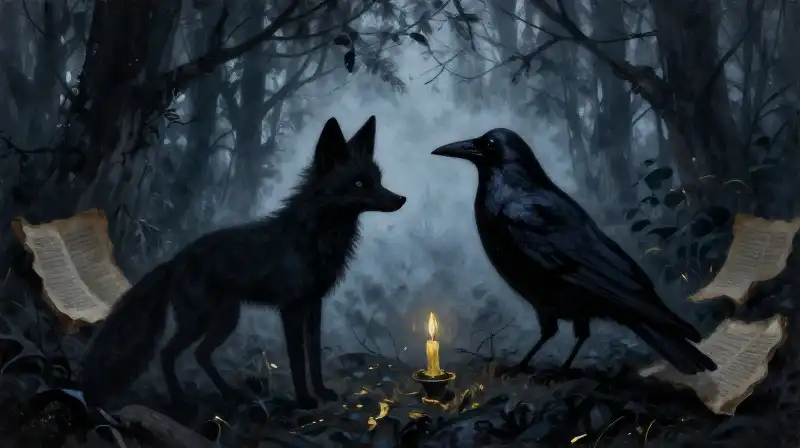
A crow perches on a high branch, a prize of cheese gripped firmly in its beak. Below, a fox watches, his stomach empty and his mind sharp. He does not attempt to climb; he does not attempt to steal through force. Instead, he begins to speak. He praises the crow’s plumage, the luster of her feathers, and the supposed sweetness of her song. Entranced by the vanity of these false compliments, the crow opens her mouth to sing, the cheese falls, and the fox claims his reward [1].
This brief, biting encounter is one of the most enduring images in the history of the fable. While it is most commonly associated with Aesop, the story’s reach extends far beyond a single ancient author. It is a narrative archetype that has been reshaped by poets, subverted by Enlightenment thinkers, and reimagined by modern musicians. To study the fox and the crow is to study the mechanics of deception and the perennial vulnerability of the ego.
The Moral Architecture: Lessons and Interpretations
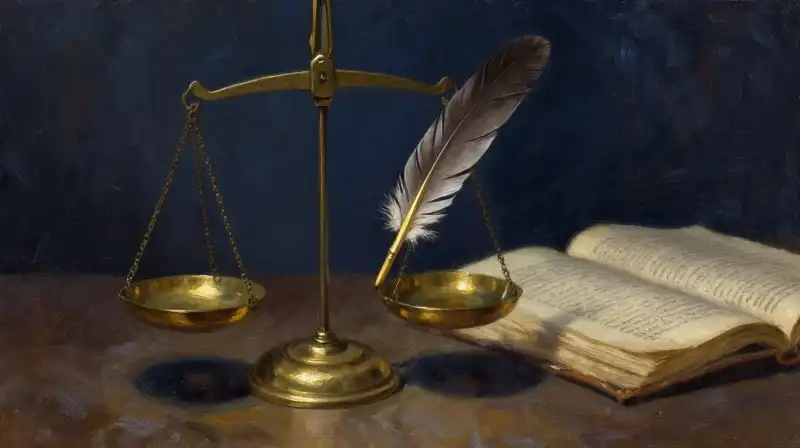
Readers often ask: What is the moral of the story of the fox and the crow? While the most direct answer is a warning against flattery, the fable functions on several layers of psychological and social instruction. Depending on the reader’s focus, the lesson shifts from the predator to the prey.
- The Danger of Vanity: The most common reading focuses on the crow. The moral suggests that those who are easily swayed by praise are inherently susceptible to manipulation. The crow’s desire to be perceived as talented (specifically in her singing) causes her to lose sight of her practical needs [2].
- The Deception of Language: From a more cynical perspective, the fable serves as a warning about the misuse of speech. The fox demonstrates that language can be a tool for theft rather than communication. This interpretation aligns with the Latin poet Horace’s counsel, suggesting that one should be guarded against those who use excessive praise to mask ulterior motives [2].
- Ambition vs. Virtue: Some interpretations, such as those suggested by Odo of Cheriton, move away from simple trickery to a more philosophical critique. In this reading, the fable illustrates how the pursuit of status or external validation (ambition) can lead an individual to abandon their fundamental virtues or common sense [2].
A Global History of the Fable
Though we label this “Aesop’s Fable,” the story’s lineage is much older and more geographically diverse than the Greek tradition suggests. The narrative structure is a fundamental human pattern, appearing in various forms across different civilizations.
Ancient Roots and Early Versions
While surviving Greek and Latin versions date back to the 1st century of the Common Era, archeological evidence hints at an even deeper history. A painted vase from the Indus Valley Civilization, depicting a bird with fish alongside a fox-like animal, suggests the core imagery of this encounter may have been known a millennium before the classical era [2]. This long history has allowed the fable to seep into the fabric of Western art, appearing in everything from the intricate borders of the Bayeux Tapestry—where it may have functioned as a political commentary on the vanity of Harold Godwinson—to 18th-century silver tokens and ceramic plaques [2].
Eastern Variations: The Wisdom of the Crow
The Western tradition typically presents the crow as a victim of her own folly. However, the fable takes a strikingly different turn in Eastern literature. In the Buddhist scriptures known as the Jambhu-Khadaka-Jataka, a jackal attempts to use the same tactic of flattery on a crow [2]. In this version, the crow is not deceived; instead, she responds with wisdom, choosing to share her fruit with the jackal rather than falling prey to his trickery [2]. This variation transforms the story from a cautionary tale about vanity into a lesson on compassion and discernment.
Literary Subversions and Adaptations
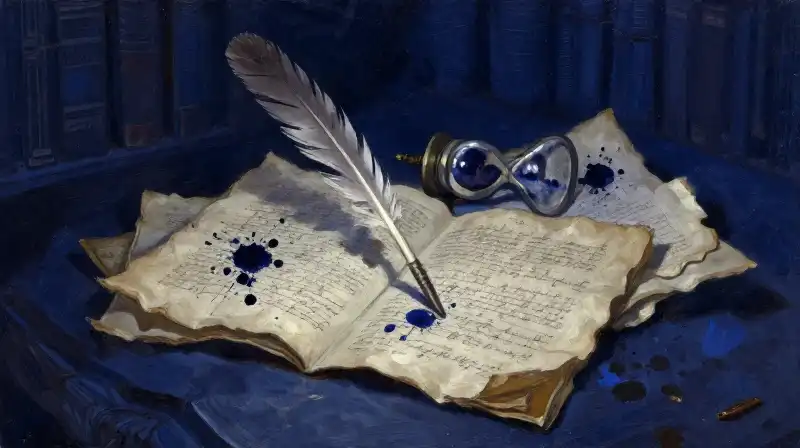
Because the fable is so structurally simple, it provides a perfect canvas for writers to experiment with irony and justice. Many readers find the original ending—where the thief succeeds and the victim loses—to be morally unsatisfying. This dissatisfaction has driven centuries of literary “sequels” and reinterpretations.
| Author/Artist | Approach | The Twist |
|---|---|---|
| Gotthold Ephraim Lessing | Ironic Subversion | A fox flatters a raven into eating poisoned meat meant for rats; the fox dies as punishment for his “abominable” flattery [2]. |
| Religious/Folk Traditions | Moral Correction | Various “sequels” or songs where the crow claims divine vengeance after the fox dies, ensuring justice is served [2]. |
| mewithoutYou | Modern Reimagining | A rock adaptation titled “The Fox, The Crow, and The Cookie,” replacing the traditional cheese with a pastry [2]. |
| Léon Rousseau / Horst Janssen | Visual Reinterpretation | Artists who move beyond the dialogue-heavy text by varying the scale and physical positioning of the characters to create tension [2]. |
Why the Fable Endures
The fox and the crow survives not merely as a children’s story, but as a precise psychological study. It captures a fundamental social friction: the tension between our desire for validation and our need for self-preservation. By stripping away complex plotlines and focusing on a single, devastating interaction, the fable provides a mirror for human behavior that remains as sharp today as it was in antiquity. Whether through the cautionary lens of Horace or the ironic justice of Lessing, the story forces us to ask whether we are the crow, listening too closely to the music, or the fox, waiting for the moment the song begins.
Sources

- Library of Congress Aesop Fables — read.gov
- The Fox and the Crow (Aesop) — en.wikipedia.org
Frequently Asked Questions
What is the moral of the story of the fox and the crow?
The moral serves as a warning against flattery and can be interpreted through several lenses. It highlights the danger of vanity, the deceptive potential of language, and how the pursuit of external validation can lead to the abandonment of virtue.
What is the moral of the fable "The Raven and the Fox"?
The provided article does not mention a fable specifically titled "The Raven and the Fox." It only discusses variations of the fox and the crow story.
What is the moral of the story the fox and the stroke?
The article does not contain information regarding a story about a fox and a stroke. It focuses exclusively on the narrative of the fox and the crow.
What is the lesson of the story "The fox and the Crow"?
The lesson is primarily a warning against being easily swayed by praise, which makes one susceptible to manipulation. Additionally, it can be seen as a warning about using language as a tool for theft or how ambition can compromise common sense.
Related Articles