
Literary Devices in The Cask of Amontillado: A Detailed Analysis

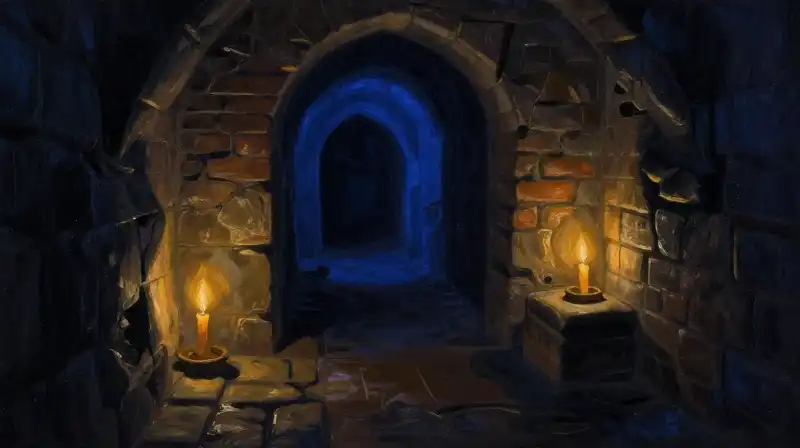
The Architecture of Malice
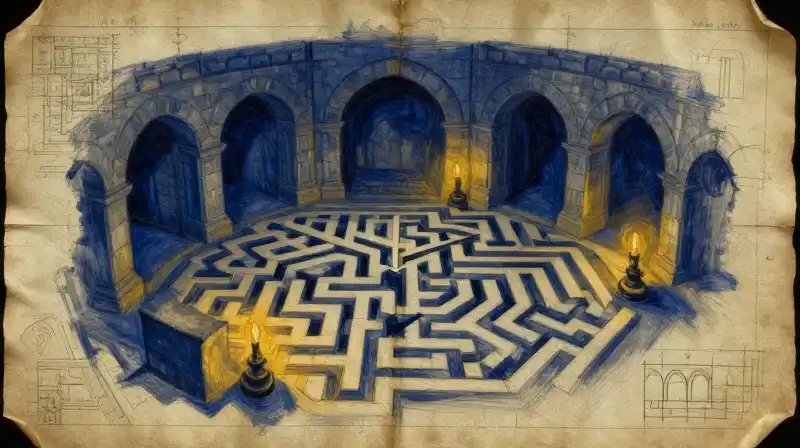
Edgar Allan Poe’s “The Cask of Amontillado” is not merely a ghost story or a tale of simple murder; it is a masterclass in the engineering of dread. Set amidst the damp, bone-strewn catacombs of an unnamed Italian city, the narrative follows Montresor, a man driven by an unspecified grievance to orchestrate the slow, suffocating demise of his acquaintance, Fortunato. While the plot is deceptively lean, the psychological weight of the story is carried by Poe’s surgical application of literary devices. By layering irony, symbolism, and an unreliable perspective, Poe transforms a simple act of revenge into an immersive descent into madness.
The Double Edge of Irony
At the heart of the story lies a pervasive sense of contradiction. Poe utilizes irony not just as a stylistic flourish, but as the very mechanism through which the horror is delivered. This is most evident in two distinct forms: dramatic and verbal irony.
Dramatic Irony and the Reader’s Burden
Dramatic irony occurs when the audience possesses critical knowledge that a character lacks. In “The Cask of Amontillado,” the reader is granted access to Montresor’s murderous intent from the opening paragraphs, while Fortunato remains blissfully, perhaps foolishly, unaware [1]. As Montresor leads Fortunato deeper into the vaults, every gesture of “friendship” and every concern for Fortunato’s health is understood by the reader as a calculated step toward his execution. This creates a tension that is far more agonizing than a standard thriller; we are forced to watch the trap being set, unable to warn the victim.
Verbal Irony and the Play of Names
Verbal irony—where the literal meaning of words stands in stark contrast to their intended reality—functions as a constant, mocking undertone [1]. The most striking example is the name of the victim himself. “Fortunato” implies a man of good fortune or luck, yet he is walking directly into a fate of absolute misfortune [1]. Throughout their conversation, Montresor’s language is peppered with false concern and hollow pleasantries that mask his true purpose, turning every polite exchange into a linguistic weapon.
The Unreliable Architect

To understand the craft of writing in this story, one must look at the narrator. Montresor is a classic example of an unreliable narrator. He does not merely tell us a story; he attempts to justify a crime. His reliability is undermined by his obvious bias and his psychological instability.
- The Distortion of Grievance: Montresor employs hyperbole to justify his actions, claiming Fortunato has inflicted “a thousand injuries” upon him [1]. This exaggeration suggests that the motive may be far less substantial than the narrator admits, casting doubt on the “justice” of his revenge.
- Psychological Deflection: Even as he commits the act, Montresor may be lying to himself. He describes a sense of sickness brought on by the “bad air” of the catacombs, a potential attempt to mask the physiological and moral reaction to his own cruelty [1].
Signs and Omens: Symbolism and Foreshadowing
Poe plants clues throughout the text that move the story from the realm of chance to the realm of inevitability. These devices serve to heighten the suspense and provide a deeper symbolic resonance to the unfolding tragedy.
Visual and Narrative Clues
Foreshadowing is woven into the physical objects Montresor carries and the actions he takes. When Montresor produces a trowel, it is not merely a tool for masonry; it is a chilling signal of his intent to wall his victim into a tomb [1]. This early introduction of the tool prepares the reader for the final, gruesome climax.
The Language of Symbols
The symbolism in the story connects the personal vendetta to larger, more ancient concepts of retribution. The Montresor family coat of arms serves as a vital symbol: it depicts a heavy foot crushing a serpent that is simultaneously biting back at the heel [1]. This image perfectly encapsulates the theme of mutual revenge and the cyclical nature of violence that drives the narrative.
Setting the Sinister Tone
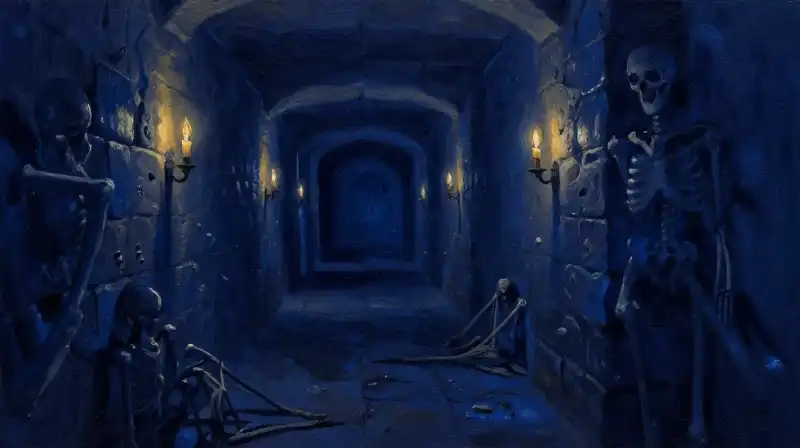
The effectiveness of the story’s suspense relies heavily on the atmosphere Poe constructs through sensory imagery and pacing. The setting is not a backdrop; it is an active participant in the horror.
| Technique | Application in “The Cask of Amontillado” | Effect on the Reader |
|---|---|---|
| Imagery | Descriptions of darkness, flickering torches, nitre, and piles of bones [1]. | Establishes an eerie, claustrophobic, and morbid mood. |
| Pacing | A slow, step-by-step progression through the vaults [1]. | Builds unbearable suspense as the characters move closer to the end. |
| Allusion | References to “brotherhood” and hand gestures related to the Freemasons [1]. | Adds a layer of social and historical complexity to the characters’ interaction. |
The Mechanics of Deception
Beyond the grander literary themes, Montresor utilizes practical psychological manipulation to ensure his success. His use of reverse psychology is a key element of his craft. By telling his servants that he will not return until morning, he ensures the household is empty, effectively removing any witnesses to his crime [1]. This shows that Montresor is not just a man of impulse, but a cold, calculating strategist.
Why the Craft Matters

“The Cask of Amontillado” remains a cornerstone of Gothic literature because Poe does not rely on external monsters to create terror. Instead, he uses the internal mechanics of language and psychology. Through the use of irony, he makes the reader an accomplice to the tension; through the unreliable narrator, he makes the truth feel slippery and dangerous; and through meticulous foreshadowing, he makes the tragedy feel destined. It is a reminder that the most effective horror often comes from the gap between what is said and what is true, and between what we see and what we know.
Sources
- Cask of Amontillado - Literary Device Flashcards | Quizlet — quizlet.com
Related Articles