
O Captain! My Captain! Analysis: Metaphors, Imagery, and Symbolism

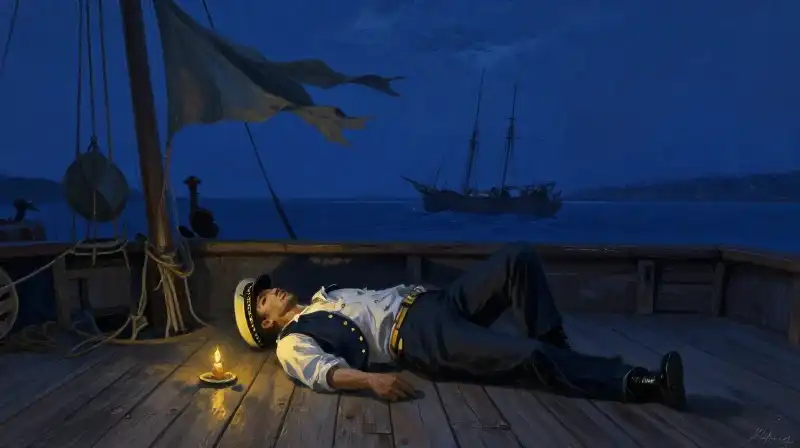
The Victory and the Void

In 1865, the United States stood at a precipice of both triumph and catastrophe. The American Civil War had reached its conclusion, promising a reunification of a fractured nation, yet the sudden assassination of President Abraham Lincoln cast a long, dark shadow over the celebration. It was into this specific atmosphere of collective shock that Walt Whitman released “O Captain! My Captain!”—a poem that would become one of the most enduring elegies in the American canon [1].
While Whitman is often celebrated for the expansive, experimental free verse of Leaves of Grass, “O Captain! My Captain!” stands as a notable departure: a structured, rhythmic, and deeply accessible piece of verse [1]. To understand the poem is to look past the surface-level mourning and examine the intricate layers of metaphor, imagery, and sound that Whitman uses to reconcile the joy of a national victory with the visceral agony of personal loss.
The Ship of State: Decoding the Extended Metaphor
The poem’s emotional weight is carried by an extended metaphor that transforms a political event into a maritime drama. This device allows the reader to visualize the immense, abstract stakes of the Civil War through a singular, cohesive image [1].
The Captain and the Ship
At the heart of the poem is the metaphor of the vessel and its leader. Readers often ask, what is “O Captain! My Captain!” a metaphor for? The answer lies in the roles assigned to the figures in the poem [1]:
- The Captain: Represents Abraham Lincoln, the steady hand who guided the nation through its darkest period.
- The Ship: Represents the United States, a vessel that has survived a tumultuous journey but is now stalled at its destination.
- The Fearful Trip: Serves as a metaphor for the American Civil War, a period of intense national struggle and violence [1].
- The Port: Symbolizes the end of the war and the achievement of national reunification and peace [1].
By framing the presidency through the lens of maritime command, Whitman elevates Lincoln from a mere politician to a heroic navigator, making the tragedy of his death feel like the loss of a vital life-line for the entire crew—the American people.
Crafting Grief: Literary Devices and Structure

Whitman does not rely solely on the metaphor to convey meaning; he employs a sophisticated toolkit of literary devices to manipulate the reader’s emotional response. Through these techniques, he bridges the gap between the public celebration of victory and the private horror of death.
Apostrophe and the Language of Loss
The poem utilizes apostrophe, a figure of speech where the speaker addresses someone who is absent, dead, or unable to respond [1]. By repeatedly crying out, “O Captain! My Captain!”, the speaker establishes an intense, desperate intimacy with the deceased [1]. This direct address highlights the futility of the speaker’s grief; they are calling to a man who can no longer hear them.
This sense of desperation is amplified by repetition. Whitman uses the refrain “fallen cold and dead” at the end of each stanza to act as a grim emotional anchor, pulling the reader back from the celebratory imagery to the reality of the corpse [1]. Furthermore, the triple repetition of “heart! heart! heart!” serves to mimic the physical sensation of shock and the rhythmic thumping of a traumatized pulse [1].
Auditory and Visual Contrast
Whitman masterfully uses imagery to create a sense of cognitive dissonance—the feeling of being unable to process two conflicting realities at once. He pits the sensory experience of the crowd against the sensory experience of the Captain:
- Auditory Imagery: The “bells” and “bugle trills” represent the loud, triumphant sounds of the cheering crowds celebrating the Union’s victory [1]. This is sharply contrasted with the heavy, devastating silence of the fallen leader [1].
- Visual Imagery: Whitman provides visceral details like the “bleeding drops of red” and the Captain’s “pale and still” lips [1]. These images force the reader to confront the physical reality of death even as the “flag” of the preserved Union is being hoisted in triumph [1].
Meter and Musicality
The poem’s structure moves between the celebratory and the somber. Whitman employs a mix of iambic and anapestic meter, creating a marching, ballad-like rhythm that feels like a song [1]. However, he disrupts this musicality with abrupt, shorter lines such as “Fallen cold and dead,” which provide a stark, jarring emotional impact that breaks the rhythm of the celebration [1].
The rhyme scheme also shifts to signal these transitions. While the first four lines of each stanza typically follow an AABB CCDD pattern, the final four lines shift to a GHEH pattern [1]. This shift, particularly the heavy rhyme of “red” and “dead,” serves to emphasize the grim permanence of the tragedy [1].
The Tension of Triumph and Tragedy
A common question regarding this work is: What is the irony in “O Captain! My Captain”? The irony is fundamental to the poem’s power. It is a “victory elegy”—a poem about winning that is defined by losing [1]. The very moment the “ship” reaches the “port” (the end of the war and the preservation of the Union), the “Captain” (Lincoln) is lost [1]. The success of the mission is inextricably linked to the death of its leader, creating a bittersweet tension where the bells of celebration ring simultaneously with the mourning of a leader.
| Element | Celebratory Aspect (The Victory) | Tragic Aspect (The Death) |
|---|---|---|
| Imagery | Bells, bugle trills, exulting people [1] | Bleeding drops of red, pale lips [1] |
| Symbolism | The flag, the port, the prize [1] | The fallen Captain [1] |
| Sound | Assonance: Long vowels in “port” and “people” [1] | Repetition: “fallen cold and dead” [1] |
The Legacy of a Polarizing Masterpiece
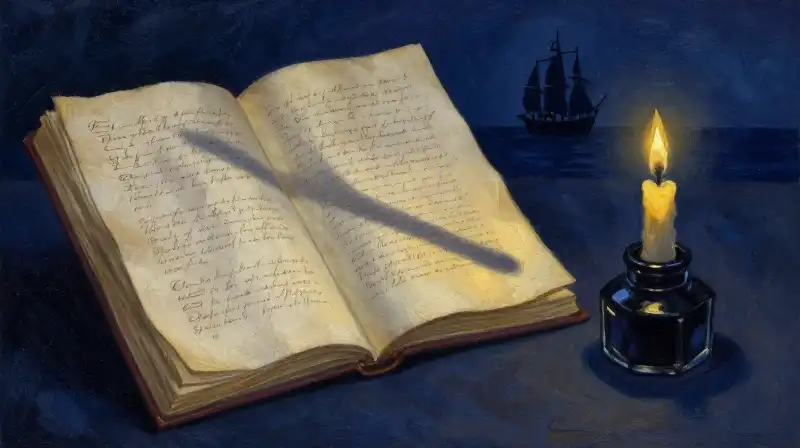
It is an interesting historical irony that while “O Captain! My Captain!” remains one of Whitman’s most anthologized and beloved works, the author himself grew to dislike its fame [1]. Whitman felt that the poem’s popularity overshadowed his more experimental, free-verse explorations of the American identity [1].
Yet, it is precisely this poem’s structural precision and its use of universal symbols—the ship, the captain, the storm—that allow it to transcend its specific historical moment. By grounding the abstract concept of national survival in the visceral, human experience of grief, Whitman created more than just a political tribute; he created a timeless meditation on the high cost of progress and the heavy silence that often follows great triumphs.
Sources
- O Captain! My Captain! Analysis — literarydevices.net
Frequently Asked Questions
What is "o captain, my captain" a metaphor for?
The poem uses an extended metaphor to transform a political event into a maritime drama. Specifically, the Captain represents Abraham Lincoln, the Ship represents the United States, the fearful trip represents the Civil War, and the port symbolizes national reunification and peace.
What is the irony in "o captain, my captain"?
The irony lies in the fact that it is a "victory elegy," where the moment of winning is defined by losing. The success of the mission—the ship reaching the port—occurs at the exact moment the Captain is lost.
What is the metaphor of the ship and the captain in the poem O Captain My Captain answer?
The Captain serves as a metaphor for Abraham Lincoln, the leader who guided the nation through its darkest period. The Ship serves as a metaphor for the United States, a vessel that has survived a tumultuous journey but has stalled at its destination.
Related Articles