
Science Fiction Romance: Beyond the Tropes of Alien Smut

Introduction
In the corner of most bookstores, the science fiction romance section is often a land of predictable binaries: a hyper-advanced human protagonist and a generic, hulking alien adversary whose primary function is to serve as a vehicle for physical intimacy. For many readers, this “alien smut” trope is a barrier to entry—a shallow shortcut that favors repetitive archetypes and “cringey dialogue” over the sweeping vistas and complex sociology that make science fiction compelling [1]. Yet, beneath this surface-level stereotype lies a sophisticated subgenre where the intimacy of two souls is not a distraction from the setting, but a lens through which we understand the vastness of the cosmos.
True science fiction romance succeeds when the romance is a natural, secondary element to a larger plot involving planetary exploration, technological discovery, or the heavy weight of interstellar politics [1]. When executed with precision, the genre uses the “otherness” of alien life or the isolation of deep space to interrogate what it actually means to connect with another being. This article moves beyond the tropes to examine how authors use speculative settings to deepen the emotional stakes of the human (or non-human) experience.
What is Science Fiction Romance?
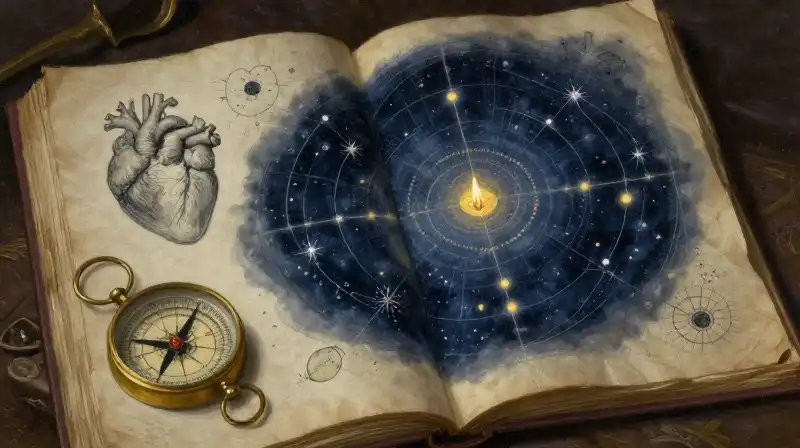
At its most basic level, science fiction romance is a hybrid genre that marries the speculative “what if” of science fiction with the character-driven emotional arcs of romance. However, the boundaries are famously porous. The genre often blurs into other categories, creating a spectrum of storytelling that ranges from hard science to paranormal fantasy.
- Hard Sci-Fi Romance: Prioritizes scientific accuracy and world-building, where the romantic tension is often a byproduct of survival in hostile environments or shared professional pursuits.
- Space Opera Romance: Focuses on grand scale, epic battles, and sweeping political movements, often using romance to ground the massive stakes in personal stakes.
- Paranormal/Sci-Fi Hybrids: Works like Nalini Singh’s Psy/Changeling series demonstrate how the genre can blend science fiction hallmarks—such as a futuristic Earth and a powerful psychic race—with the tropes of paranormal romance [2].
- Steampunk: A distinct sub-branch that pivots away from deep space to focus on Victorian-inspired, action-packed technological settings, as seen in Meljean Brook’s Iron Seas series [2].
The Spectrum of Engagement: From World-Building to Emotion
The tension in this genre often lies in the balance between the “macro” (the universe) and the “micro” (the relationship). Readers often fall into different camps regarding this balance, seeking works that prioritize different elements of the speculative experience.
| Priority Focus | Narrative Approach | Representative Example |
|---|---|---|
| Sociological/Political | The romance is a secondary thread within a complex web of alien cultures and power struggles. | Ilona Andrews’ The Innkeeper Chronicles [1] |
| Atmospheric/Poetic | High-concept premises used to explore abstract themes like time and identity through experimental prose. | This Is How You Lose the Time War by El-Mohtar and Gladstone [1] |
| Procedural/Thriller | The romance is woven into a detective or mystery framework set in a futuristic setting. | J.D. Robb’s Naked in Death series [2] |
| Survivalist/Post-Apocalyptic | The “Mad Max” aesthetic where romance is born from shared struggle in a ruined world. | Hana Lee’s Road To Ruin [1] |
Breaking the Humanoid Mold: Character and Perspective
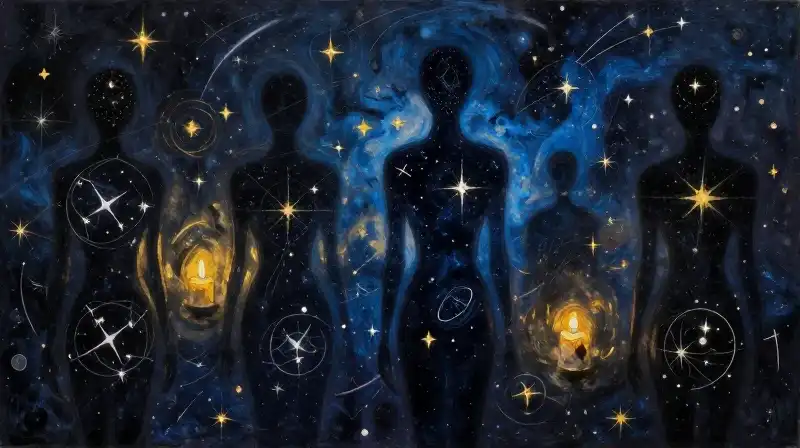
One of the most significant ways modern authors elevate the genre is by rejecting the “human woman/alien man” formula in favor of truly alien perspectives. When a character’s biology and culture are fundamentally different from our own, the romance becomes an exercise in profound empathy and translation.
Tiffany Roberts’ Ensnared is a notable example of this shift, focusing on the intricate world-building and culture of a humanoid spider species [1]. By centering the narrative on a non-humanoid perspective, the author forces the reader to abandon anthropocentric biases. Similarly, T.A. White’s The Firebird Chronicles offers a “slow burn” that integrates romance with a setting featuring “space elves,” ensuring the development feels earned within the context of a veteran protagonist’s journey [1].
Navigating the Genre: A Guide for Different Readers
Because science fiction romance covers such a wide breadth of tones, finding the “right” entry point depends heavily on the reader’s preferred level of intensity and thematic depth.
For the Young Adult Reader
If you are looking for an entry point that focuses on the sociological implications of space travel rather than overt adult themes, Beth Revis’ Across the Universe is a vital text. It treats romance as a byproduct of the characters’ shared struggle to survive a malfunctioning cryo-sleep system, making the connection feel earned through shared trauma and discovery [1].
For the Hard Science and World-Building Enthusiast
Readers who demand rigorous setting construction may find satisfaction in works that treat the romance as a secondary element to the exploration of alien civilizations. Authors like Linnea Sinclair (*Games of Command*) and Jayne Ann Krentz (writing as Jayne Castle) are established names who manage to blend complex planetary settings with compelling character dynamics [1, 2].
For the Prose-Driven Reader
If you seek literature that pushes the boundaries of the genre’s language, look toward high-concept works that utilize poetic or experimental prose. These stories often use time travel or high-concept physics as metaphors for the way love alters our perception of reality [1].
Synthesis: Why the Genre Matters
Science fiction romance is at its most potent when it refuses to choose between the heart and the intellect. The “good” science fiction romance—the kind that moves beyond the cynical “alien smut” trope—is a genre that uses the infinite possibilities of the future to ask the oldest questions of the human heart. Whether through the procedural tension of a futuristic thriller or the slow, cultural discovery of a non-humanoid encounter, these stories remind us that no matter how far we travel into the stars, the need for connection remains our most constant North Star.
Sources
- Actually good Sci-fi romances? : r/fantasyromance — reddit.com
- Top 10 Best Science Fiction Romance Books — annahackett.com
Frequently Asked Questions
What is science fiction romance?
Science fiction romance is a hybrid genre that combines the speculative "what if" elements of science fiction with the character-driven emotional arcs found in romance. It is a broad category with porous boundaries that can range from hard science to paranormal fantasy.
Related Articles