
Alliteration in Poetry: From Dr. Seuss to Nursery Rhymes

Introduction
Consider the physical act of reading a tongue twister: the mouth tightens, the tongue dances, and the breath must be precisely metered to navigate the obstacle course of consonants. This is not merely a linguistic game; it is the intentional application of alliteration. Alliteration occurs when two or more words in a line or verse share the same beginning sound [2]. While it is often associated with the playful stumbling of a nursery rhyme, alliteration is a sophisticated tool used to command attention, establish a rhythmic pulse, and imbue language with a tactile, sensory quality [2]. From the chaotic energy of Dr. Seuss to the rhythmic precision of modern songwriting, this device transforms plain text into a melodic, memorable experience.
The Mechanics of Sound: How Alliteration Functions

Alliteration is more than just repeating a letter; it is the repetition of a specific phonetic sound. When used effectively, it serves several distinct literary functions:
- Attention and Memorability: By creating a sonic pattern, alliteration hooks the reader’s ear, making lines more “sticky” and easier to recall [2].
- Rhythm and Cadence: It provides a structural backbone to verse, often creating a “sing-song” quality that aids in the natural flow of a poem [2].
- Sensory Engagement: Certain sounds evoke physical sensations. Harder consonants might feel percussive, while sibilant “s” sounds can mimic a hiss or a whisper, adding a layer of imagery that goes beyond the literal meaning of the words [2].
Is alliteration used in poetry?
Yes, alliteration is one of the most fundamental tools in the poet’s toolkit. It is used across almost every era and genre of poetry to manage the relationship between the meaning of the words (semantics) and the sound of the words (phonetics). In formal verse, it can provide structure, while in free verse, it can create subtle emphasis or emotional texture.
From Nursery Rhymes to Children’s Classics
In the realm of children’s literature, alliteration is often pushed to its phonetic limits. Here, the device frequently transitions from a subtle stylistic choice into a central mechanic of the reading experience, often manifesting as “tongue twisters.”
The Playful Chaos of Dr. Seuss
Dr. Seuss mastered the art of using alliteration to create a high-energy, listening-centric experience. By pairing alliteration with rhyme and repetition, he crafted works that demand active participation from the reader [1]. A prime example is found in Fox in Socks, where the text forces the reader through repetitive phonetic hurdles, such as the “the/three,” “flea/flew,” and “breeze/blue” sounds [1]. This complexity turns the act of reading into a performance, engaging a child’s imagination through the sheer joy of sound manipulation.
The Rhythmic Logic of Traditional Rhymes
Before modern classics, traditional nursery rhymes used alliteration to ensure stories were easily memorized and passed down through oral tradition. The repetition of sounds serves as a mnemonic device, helping the brain map the sequence of the poem [2].
- “Peter Piper”: This anonymous nursery rhyme uses the heavy repetition of the “p” sound—as in “picked a peck of pickled peppers”—to create a challenging, rhythmic obstacle [2].
- “Betty Botter’s Butter”: This rhyme employs the “b” sound (e.g., “bitter,” “batter,” “better”) to establish a “sing-song rhythm” that facilitates easy memorization [2].
- “Silly Sally”: Audrey Wood utilizes the “s” consonant sound in phrases like “Silly Sally swiftly shooed seven silly sheep” to create a challenging phonetic experience that rewards the reader for navigating the sibilance [2].
Crafting Imagery and Narrative Flow
Beyond the “tongue twister” effect, more nuanced poets use alliteration to build atmosphere and move a story forward without the reader noticing the artifice.
Sensory Detail and Atmosphere
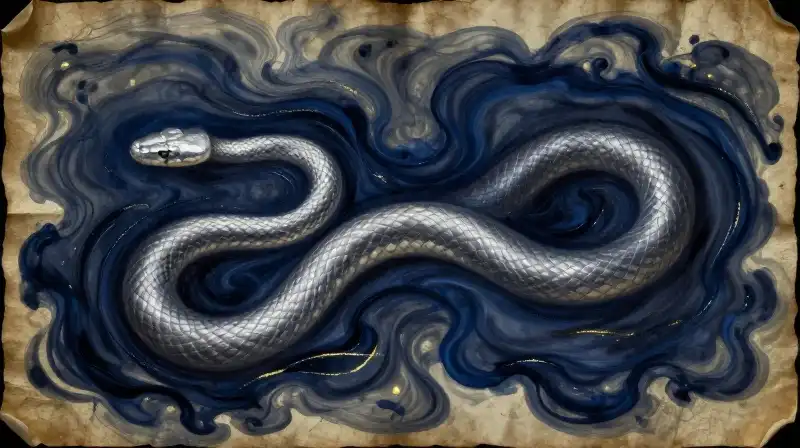
Denise Rodgers demonstrates how alliteration can be used to evoke specific imagery. In “Spinning Dry,” she uses repetitive “s” sounds in phrases like “sudsing and soaking” and “bobbing and bubbling” to create a rhythmic, sensory experience [2]. Similarly, in “Slithery, Slidery, Scaly Old Snake,” the repeated “s” sound is woven with rhyme to mimic the very movement of the snake described, providing a child-centric perspective that is both descriptive and evocative [2].
Narrative Momentum
Shel Silverstein, a master of engaging young readers through playfulness, uses alliteration to guide the reader through a narrative. In “I Saw An Ol’ Gnome,” he repeats “g” and “n” sounds in nonsense-adjacent words like “gnasty,” “gnibbling,” and “gnoodle” to establish a whimsical tone [2]. In “Bear in There,” he uses alliteration—such as “nibbling the noodles”—to help the poem move smoothly, using the sound to bridge the gap between humor and narrative flow [2].
Structural Variations
Alliteration can also act as a structural marker. In Alan Loren’s “The Football Game,” the poet introduces a different repeated consonant in each verse—such as “b” in the first verse and “d” in the second—effectively using sound to signal a shift in the poem’s movement [2]. This can be applied to more accessible, instructional poetry as well; Loren’s “Eat Wisely” uses “f,” “b,” and “c” sounds to create a rhythmic, easy-to-follow list of foods [2].
Comparative Uses of Alliteration
While the examples above focus on pedagogy and children’s literature, alliteration remains a vital component of modern lyrical writing, proving its versatility across different mediums.
| Application | Primary Goal | Example Context |
|---|---|---|
| Children’s Poetry / Tongue Twisters | Playfulness, phonetic challenge, and memorization. | Dr. Seuss, “Peter Piper,” Audrey Wood. |
| Descriptive/Sensory Poetry | Creating atmosphere and mimicking physical movement. | Denise Rodgers’ use of sibilance for snakes. |
| Modern Lyrical Writing | Creating “earworms” and rhythmic emphasis in song. | Taylor Swift’s use of “b” in “Bad Blood.” |
The Lasting Impact of Phonetic Craft
Alliteration is far more than a simple repetition of letters; it is a deliberate choice to marry the meaning of a word to its physical sound. Whether it is being used to create the frantic, hilarious energy of a Seussian world, the soothing rhythm of a nursery rhyme, or the driving beat of a modern pop song, alliteration connects the reader to the text on a primal, auditory level. By understanding how poets manipulate these sounds, we gain a deeper appreciation for the “music” of language and the intentionality behind every syllable.
Sources
- Examples of Alliteration Poems — yourdictionary.com
- 11 Alliteration Poems for Kids Perfect for Teaching Poetry — teachstarter.com
Frequently Asked Questions
Is alliteration used in poetry?
Yes, alliteration is a fundamental tool used across almost every era and genre of poetry. It helps manage the relationship between the semantics of words and their phonetic sounds, providing structure in formal verse or emotional texture in free verse.
Related Articles