

How is alienation portrayed in Modernism in Literatura characters

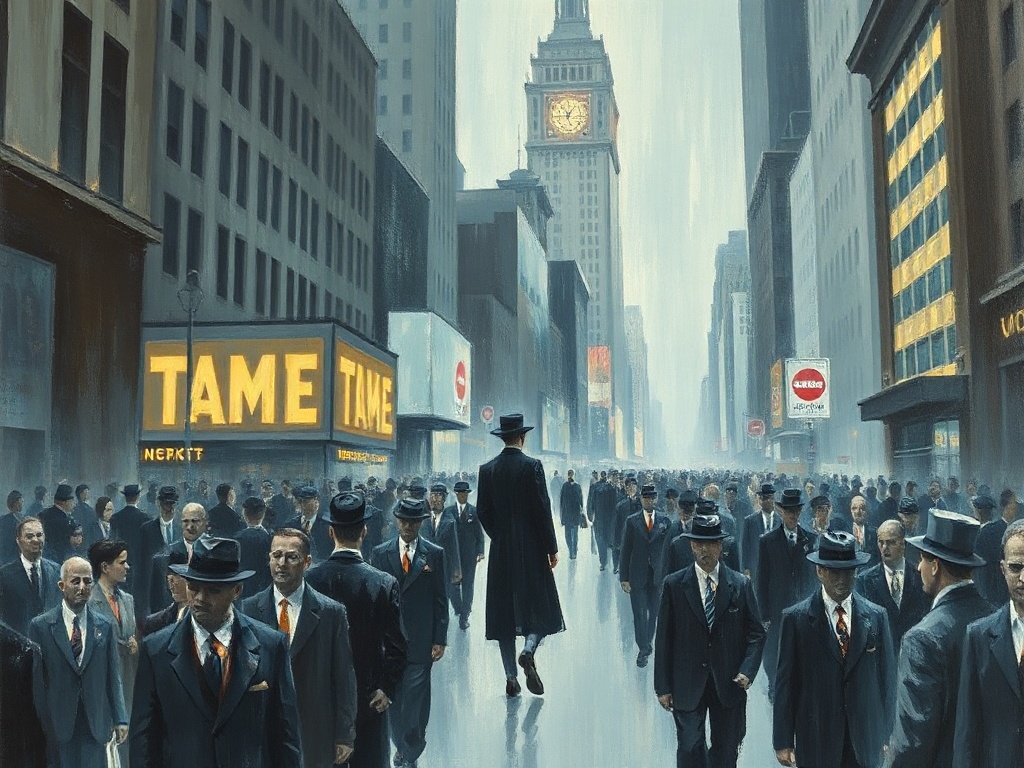
Modernism, a sprawling artistic and intellectual movement dominating the early 20th century, fundamentally challenged traditional literary conventions. It emerged as a response to rapid industrialization, urbanization, and the disillusionment following World War I. A core theme that permeated modernist literature was the exploration of alienation, not just as a social condition, but as a profound psychological state experienced by the individual in an increasingly fragmented and chaotic world. This wasn’t simply about feeling lonely; it was a deeper estrangement from self, society, and meaning.
The modernist character is rarely a heroic figure or a stable, whole person. Instead, they are often introspective, fragmented, and struggling to find their place within a world that feels fundamentally incomprehensible. Authors like T.S. Eliot, Virginia Woolf, and Franz Kafka, amongst others, employed innovative techniques—stream of consciousness, fragmented narratives, and unreliable narrators—to convey this pervasive sense of anomie. This article will delve into how modernist literature portrays alienation through a consideration of key strategies and recurring motifs.
## The Breakdown of Traditional Values
The erosion of traditional religious and social structures played a significant role in creating a fertile ground for the portrayal of alienation. Modernist authors frequently depicted characters grappling with the loss of faith and the breakdown of established moral codes, leading to a profound sense of uncertainty. The old narratives that once provided comfort and meaning had crumbled, leaving individuals adrift in a relativistic universe. This collapse isn’t presented as a liberation, but often as a source of anxiety and despair.
Characters like Leopold Bloom in James Joyce’s Ulysses exemplify this disconnect. Bloom, a Jewish advertising canvasser, feels marginalized within Irish society, facing prejudice and misunderstanding. His wandering through Dublin becomes a metaphor for the individual’s search for connection in a world devoid of clear purpose. His identity is perpetually in flux, never fully belonging to any particular group or ideology. This lack of belonging contributes directly to his feelings of isolation and alienation.
The rejection of Victorian moralism, characterized by rigid social hierarchies and stringent expectations, is also evident in works like D.H. Lawrence’s novels. Characters often rebel against societal constraints, but their attempts to assert individuality frequently lead to further isolation and a sense of rebellion without a clear alternative. The pursuit of personal freedom, a hallmark of modernity, becomes entangled with a deep-seated feeling of being disconnected from the community.
## Psychological Fragmentation and the Interior Landscape
Modernist literature significantly shifted the focus inward, emphasizing the subjective experience of the individual. Stream of consciousness, a key narrative technique, allows readers access to the unfiltered thoughts and emotions of characters, revealing a fractured and often chaotic psyche. This technique illuminates the disjointed nature of modern consciousness and contributes to a sense of alienation by exposing the internal struggles that are often hidden from the outside world.
Virginia Woolf’s Mrs. Dalloway showcases this beautifully. Clarissa Dalloway’s interior monologue reveals a woman struggling with anxieties, insecurities, and a profound sense of loneliness, despite her seemingly privileged social position. The fragmented nature of her thoughts mirrors the fragmented nature of her self and her connection to others. Moments of intense social interaction are often juxtaposed with periods of profound introspection, highlighting the gulf between external appearances and internal realities.
Kafka’s works, particularly The Metamorphosis, take psychological fragmentation to an extreme. Gregor Samsa’s transformation into an insect isn’t just a physical change; it’s a metaphor for the alienation he feels from his family and society. His inability to communicate and his physical repulsiveness lead to complete social exclusion, emphasizing the isolating effects of psychological distress and the inherent absurdity of human existence.
## Urban Landscapes and the Loss of Connection
The burgeoning urban centers of the early 20th century became a potent backdrop for modernist portrayals of alienation. The anonymity and impersonal nature of city life contributed to a sense of detachment and disconnection. Modernist authors often depicted cities as sprawling, chaotic environments that exacerbated feelings of isolation and dehumanization. The sheer density of population paradoxically leads to a profound sense of loneliness.
T.S. Eliot’s The Waste Land paints a bleak picture of a decaying urban landscape, characterized by spiritual emptiness and moral decay. The poem’s fragmented structure and shifting perspectives mirror the fragmentation of modern society, and its characters wander through a desolate city, seeking meaning and connection but finding only despair. The city becomes a symbol of modernity’s failures.
Similarly, in Franz Kafka’s The Trial, Joseph K.’s experiences within the bureaucratic and impersonal legal system of an unnamed city contribute to his growing sense of alienation and helplessness. The vastness and impenetrability of the institution underscore the individual’s powerlessness in the face of larger, indifferent forces. His struggle for understanding is futile, further deepening his sense of isolation.
## The Search for Meaning and the Inability to Find It
Despite the pervasive sense of alienation, modernist characters often embarked on a search for meaning and connection, a quest that frequently ended in failure or disillusionment. This relentless pursuit, despite its ultimate futility, highlights the human need for purpose and belonging. The inability to find this within the modern world underscores the existential anxieties of the era.
In The Great Gatsby, Jay Gatsby dedicates his life to achieving an idealized vision of the past, hoping to recapture a lost love. His relentless pursuit of Daisy Buchanan ultimately leads to his tragic downfall, demonstrating the impossibility of recreating the past and the inherent disappointment of chasing illusions. Gatsby’s alienation stems from his inability to integrate into the established social order, even as he attempts to emulate its superficial trappings. His dream remains tragically out of reach.
Many modernist works explore the rejection of traditional forms of meaning-making, such as religion or nationalism, without offering any readily apparent alternatives. This leaves characters adrift, grappling with a profound sense of nihilism. The search for meaning becomes a solitary and often agonizing process, further isolating the individual from the collective.
## Conclusion
The portrayal of alienation in modernist literature is complex and multifaceted, reflecting the profound anxieties and upheavals of the early 20th century. From the breakdown of traditional values to the exploration of psychological fragmentation, modernist authors employed innovative techniques to depict the profound sense of estrangement experienced by individuals navigating a rapidly changing world. Their characters, often flawed and introspective, embody the struggle to find meaning and connection in a world that often feels chaotic and incomprehensible.
Ultimately, modernist literature doesn’t offer easy answers or comforting resolutions. Instead, it compels readers to confront the uncomfortable realities of human existence, including the pervasive sense of isolation and the inherent challenges of finding a place in the modern world. This exploration of alienation continues to resonate with contemporary readers, serving as a powerful reminder of the enduring human need for connection and the enduring question of what it means to be human in an increasingly fragmented world.
Related Articles