Dystopian Classics: From Orwell and Huxley to Modern Masters

Introduction
A society where everyone is perfectly happy is often the most terrifying kind of nightmare. While utopian literature aims to map out an ideal existence, dystopian fiction functions as its nearly exact opposite [1]. Instead of perfection, we find oppressive, frightening societies where individual agency and equal rights are systematically dismantled [1]. These narratives do not merely present “bad worlds”; they present the realization of a community’s deepest fears, often manifesting as a grim and hopeless environment where a central tyrant rules over a facade of order [1, 3].
The power of the dystopian genre lies in its “what if” scenarios [3]. By pushing current social, technological, or political trends to their breaking points, authors force readers to confront moral dilemmas and the high-stakes struggle of the underdog against an all-encompassing regime [3]. From the surveillance states of the mid-20th century to contemporary warnings about environmental collapse, dystopian classics provide a mirror to our own anxieties, asking how much of our humanity we are willing to sacrifice for the sake of stability.
The Foundational Pillars: Orwell, Huxley, and the Birth of the Modern Genre
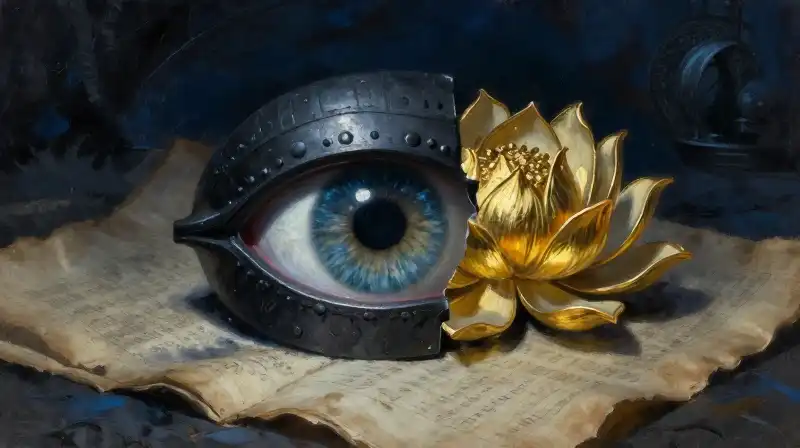
To understand the landscape of dystopian literature, one must start with the two titans who defined the modern genre: George Orwell and Aldous Huxley [3]. While they both predicted “dark and terrible futures,” their visions of how humanity might fall into darkness were fundamentally different [3].
| Author | Key Work | Mechanism of Control | Core Theme |
|---|---|---|---|
| George Orwell | 1984, Animal Farm | Pain, surveillance, and the manipulation of language (Newspeak) [3]. | The destruction of truth and individual thought by the State. |
| Aldous Huxley | Brave New World | Pleasure, distraction, and biological conditioning [2]. | The loss of humanity through mindless consumption and comfort. |
Orwell’s 1984 remains the definitive study of totalitarianism, illustrating a world where the “Big Brother” figure watches every move, and even the ability to think critically is criminalized. In contrast, Huxley’s Brave New World (1939) offers a more insidious warning: a society that is “shiny and perfect on the surface” [3], where citizens are so drugged by pleasure and superficiality that they no longer desire freedom [3]. Understanding the interplay between these two modes—control through fear versus control through gratification—is essential for any reader approaching the genre [2].
Expanding the Canon: Diverse Voices and Philosophical Depths
As the genre evolved, it moved beyond the political warnings of the mid-century to explore identity, gender, and the very nature of reality. The “classics” of the genre encompass a wide range of perspectives that challenge the status quo of what a dystopia can represent [2].
Philosophical and Speculative Foundations
- Yevgeny Zamyatin’s We: A vital precursor to Orwell, exploring a mathematically perfect society where individuality is viewed as a disease [2].
- Ayn Rand’s Anthem and Atlas Shrugged: These works offer a different angle, focusing on the struggle of the individual ego against a collective that seeks to erase personal achievement [2].
- Philip K. Dick: A master of the intersection between dystopia and speculative fiction, Dick uses works like A Scanner Darkly and The Man in the High Castle to question the stability of reality and the fragility of the human psyche [2].
Gender, Race, and Societal Structures
Modern masters have used the dystopian framework to examine how systemic oppression targets specific demographics. Margaret Atwood has become a prominent figure in this regard, utilizing powerful world-building to explore themes of bodily autonomy and patriarchal control in The Handmaid’s Tale and Oryx and Crake [2]. Similarly, Octavia Butler’s Parable trilogy provides a profound look at survival and community amidst societal breakdown [2].
Modern Dystopias: Environment and Identity
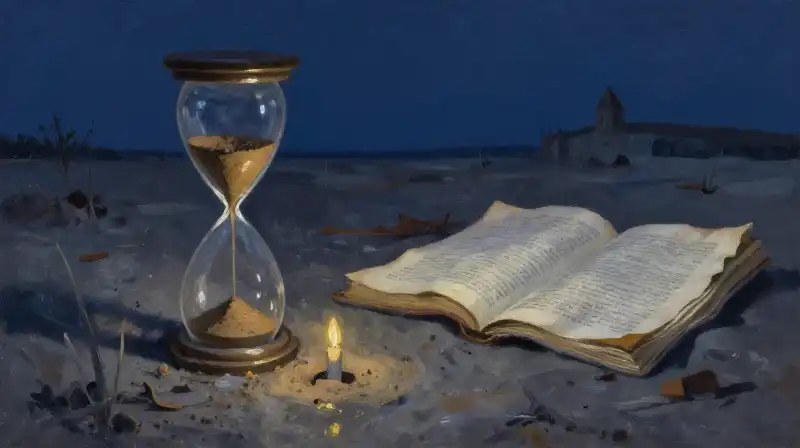
In recent years, the genre has shifted its gaze toward the consequences of our relationship with the planet and the digital age. Contemporary adult dystopian fiction often moves away from the “overt tyrant” to explore more nuanced, systemic collapses [3].
- Environmental Collapse: Works like Eiren Caffall’s All the Water in the World examine the terrifying implications of ecological ruin [3].
- The Erasure of Self: Some narratives focus on the psychological impact of losing one’s history. In Peng Shepherd’s The Book of M, characters face a world where memories are lost as a price for great power, highlighting the link between identity and recollection [3].
- Post-Apocalyptic Reflection: Emily St. John Mandel’s Station Eleven moves away from traditional “grim” settings to explore how art and culture persist even after the collapse of civilization [2].
A Guide to Navigating the Genre
Because the genre spans everything from heavy philosophical treatises to fast-paced Young Adult (YA) adventures, readers often wonder where to begin. The “best” entry point depends entirely on what kind of tension you seek.
For the Young Adult Reader
If you are looking for high-stakes action and themes of rebellion that resonate with the adolescent experience of finding one’s place in the world, the YA subgenre offers several modern classics [2, 3]:
- Suzanne Collins, The Hunger Games: A visceral look at media spectacle and class warfare.
- Scott Westerfeld, Uglies: A critique of societal beauty standards and conformity.
- Veronica Roth, Divergent: An exploration of social factions and the struggle to belong.
For the Adult Reader Seeking Depth
For those who prefer character-driven prose and complex sociopolitical critiques, a logical progression might look like this:
- Start with the Origins: Read Orwell or Huxley to understand the fundamental archetypes of control.
- Explore the Psychological: Move to Philip K. Dick to see how dystopia affects the perception of truth.
- Confront the Social: Read Atwood or Butler to see how power dynamics intersect with gender and race.
- Observe the Contemporary: End with Mandel or Shepherd to see how the genre handles the nuances of memory and environmental decay.
Why Dystopia Matters
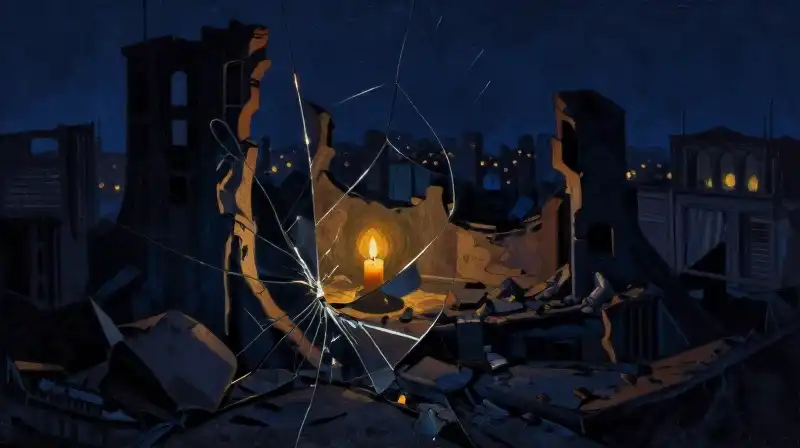
Dystopian literature is often dismissed as mere escapism or “doom-scrolling” in book form. However, its true value lies in its capacity for empathy and foresight. By presenting us with worlds that are broken, authors allow us to examine the fractures in our own. Whether it is the loss of privacy, the erosion of truth, or the destruction of the natural world, these stories serve as vital warnings. They remind us that the “perfect” society is often a trap, and that the struggle for individual dignity is a constant, necessary endeavor.
Sources
- LibGuides at San Antonio Public Library — guides.mysapl.org
- Dystopian classics or recommendations : r/suggestmeabook — reddit.com
- 20 Dystopian Books That Will Keep You Up All Night — rachelagreco.com
Related Articles