
Top 100 Graphic Novels: Essential Masterpieces and Themes

The Syntax of the Image: Understanding the Graphic Novel
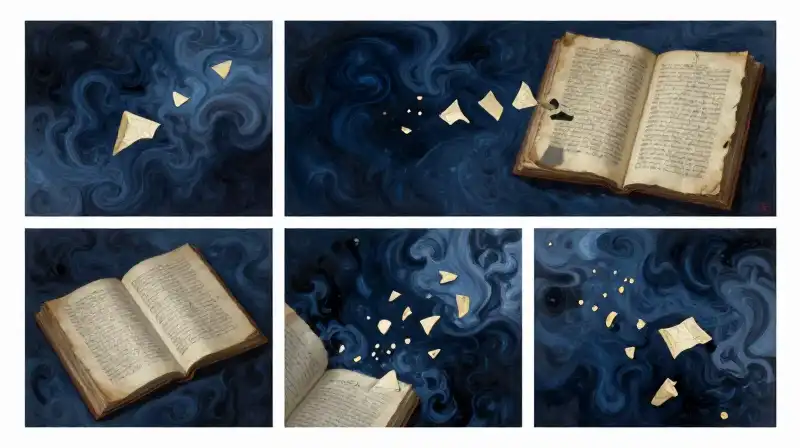
To read a graphic novel is to engage in a dual literacy. Unlike a traditional novel, where the prose carries the full weight of the narrative, or a film, where the image is continuous, the graphic novel exists in the tension between the word and the gutter—that empty space between panels where the reader’s imagination must bridge the gap. This medium is not merely “illustrated fiction”; it is a unique synergy where the visual composition dictates the rhythm of the thought as much as the sentence structure does [2].
When we look for the top 100 graphic novels, we are not just looking for great stories, but for masters of this specific architecture. We look for authors who understand how a nine-panel grid can create a sense of claustrophobic tension, or how a wordless page can convey a grief that language fails to capture [2]. From the deconstruction of the superhero to the visceral memoirs of historical trauma, the graphic novel has evolved into a sophisticated literary form capable of profound psychological and political depth.
Cornerstones of the Medium: Essential Masterpieces
While any list of the best graphic novels of all time is subject to debate, certain works serve as the foundational pillars upon which the modern medium is built. These works shifted the perception of comics from ephemeral entertainment to serious literature.
The Deconstruction of Myth and Heroism
- Watchmen by Alan Moore and Dave Gibbons: Perhaps the most influential work in the medium, Watchmen uses a “jaundiced” lens to satirize the superhero genre [1]. Its brilliance lies in its meticulous technical execution, specifically the use of a rigid nine-panel grid that allows for granular control over pacing, from cosmic-scale shifts to the smallest, most intimate facial expressions [1, 2].
- The Sandman by Neil Gaiman: A consensus masterpiece that bridges the gap between genre fiction and high literary aspiration [1]. By utilizing a rotating roster of artists—including Sam Kieth, Jill Thompson, and Michael Zulli—Gaiman weaves a sprawling mythos that draws from folklore, religion, and history, proving that the medium can sustain complex, multi-layered world-building [1].
The Weight of History and Memory
- Maus by Art Spiegelman: A landmark in graphic nonfiction, Maus famously employs anthropomorphism to navigate the horrors of the Holocaust, rendering Jews as mice and Nazis as cats [2]. This stylistic choice does not diminish the horror but provides a layer of distance that allows for a devastatingly honest exploration of survivor guilt and the fractured relationship between a father and son [2].
- My Favorite Thing Is Monsters by Emil Ferris: This work demonstrates how highly specific art styles can ground autobiographical themes [2]. Through dense, crosshatched quill-pen illustrations, Ferris reconstructs 1960s Chicago, using the texture of the art itself to mirror the grit and complexity of childhood and memory [2].
Genre and Formal Innovation
The graphic novel excels at taking established genres and refracting them through new visual and thematic lenses. Whether it is the expansion of space opera or the deconstruction of the noir, the visual element provides a new vocabulary for storytelling.
| Genre/Style | Key Characteristics | Representative Works |
|---|---|---|
| Space Opera | Sprawling, esoteric universes; often blends fantasy and sci-fi elements. | The Incal (Jodorowsky & Moebius), Saga (Vaughan & Staples) [1]. |
| Noir / Hard-boiled | Atmospheric, often utilizes anthropomorphism to navigate seedy underworlds. | Blacksad [2]. |
| Psychological Horror | Focuses on atmospheric control and isolation rather than mere visceral violence. | Through the Woods by Emily Carroll [2]. |
| Postmodernism | Manipulation of time, memory, and the narrative arc. | Jimmy Corrigan (Chris Ware), Daytripper (Ba & Moon) [2]. |
Subverting Expectations: From Saga to Preacher
Modern graphic novels often use genre tropes to critique social structures. Saga, for instance, takes the grand scale of space opera and centers it on the intimate, diverse, and often messy themes of family [1]. Conversely, Garth Ennis and Steve Dillon’s Preacher utilizes a seemingly vulgar, profane road-trip premise—a preacher seeking to hold God accountable—to deliver an unflinching and sincere critique of American culture and religion [1].
The Craft of Visual Narrative
For the serious reader and aspiring creator, understanding the “how” is as important as the “what.” The graphic novel relies on specific craft techniques to achieve its emotional and intellectual impact.
The Power of the Wordless Page
In works like Richard McGuire’s Here, the absence of text is not a void but a narrative tool [2]. By stripping away dialogue, the author forces the reader to engage more deeply with the visual rhythms, making the silence of the page a palpable part of the story’s pacing and mood [2].
Temporal Manipulation and Design
Postmodern graphic novels often play with the reader’s perception of time. Chris Ware’s Jimmy Corrigan uses meticulous, almost architectural design to unpack moments of shame and yearning, effectively freezing time to examine the internal life of the character [2]. Similarly, Gabriel Ba and Fabio Moon’s Daytripper uses the concept of death to explore how a life is retroactively shaped into a cohesive narrative arc, demonstrating how the medium can visualize the passage of time in ways prose alone cannot [2].
A Guide for New Readers: Where to Start?
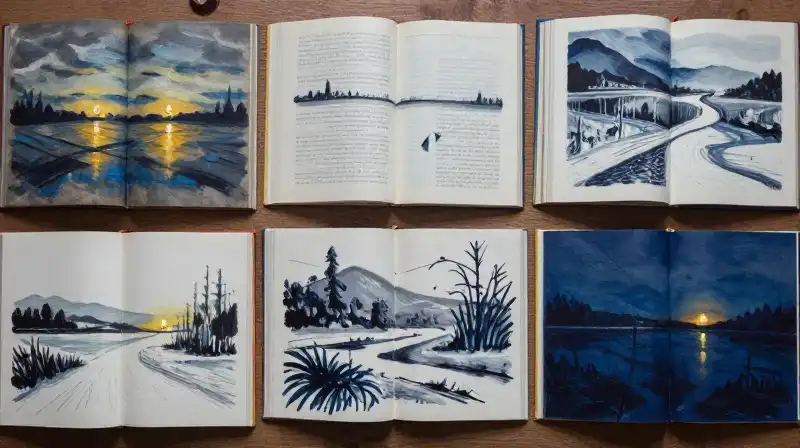
If you are looking for the best graphic novels for adults or teens, the “best” entry point depends on what kind of literary experience you seek. We suggest following these paths:
- For the Literary Skeptic: Start with Maus or Watchmen. These works possess a structural rigor and thematic weight that demand respect from even the most traditional reader.
- For the Genre Enthusiast: Begin with Akira for its technical visual vibrancy [1], or Saga for a modern, character-driven take on science fiction [1].
- For those seeking Emotional Intimacy: Look toward “achingly real” explorations of life, such as the bittersweet examination of friendship in This One Summer or the intersection of faith and adolescence in Craig Thompson’s Blankets [2].
- For the Underground/Indie seeker: Explore Daniel Clowes’s Eightball, which helped bridge the gap between transgressive underground comics and the sophisticated “alt comix” movement found in literary bookstores [1].
Synthesis: Why the Medium Matters
The enduring relevance of the graphic novel lies in its ability to perform a complex cognitive dance. It is a medium that requires the reader to be both a watcher and a reader, a participant in the construction of meaning. Whether it is the technical benchmark set by Akira [1], the psychological depth of Through the Woods [2], or the cultural critique of Preacher [1], these works prove that the graphic novel is not a stepping stone to “real” literature, but a profound literary destination in its own right. It offers a way to see the world—and ourselves—through a lens that is simultaneously more visceral and more contemplative than the written word alone could ever allow.
Sources
- r/graphicnovels Top 100: The List : r/graphicnovels — reddit.com
- Let’s Get Graphic: 100 Favorite Comics And Graphic Novels — npr.org
Related Articles